
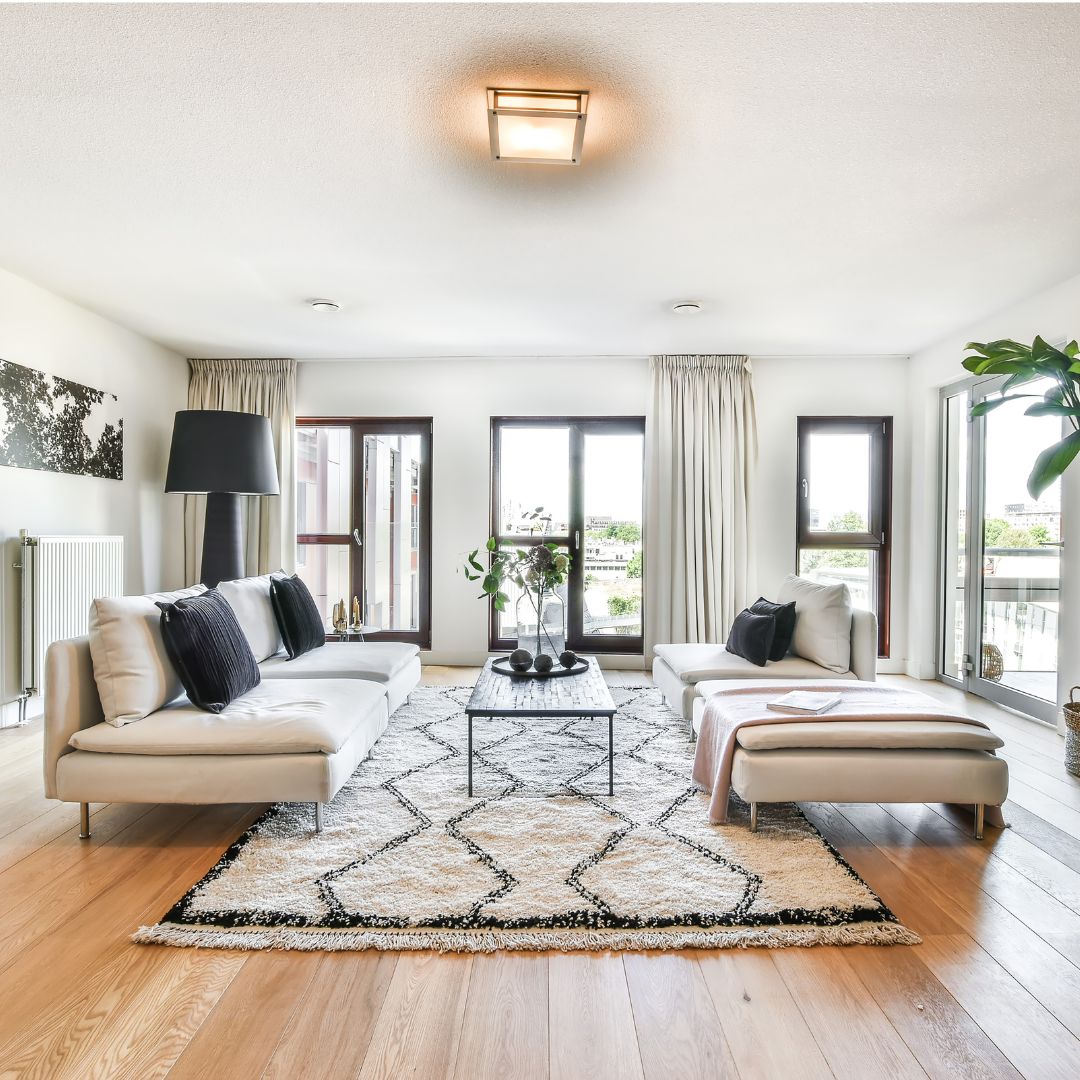
Thank you so much for stopping by for this month’s Back To Basics series, by 2 Bees In A Pod and The Crowned Goat This month’s topic is one that can completely transform a room when done well: How to mix fabric patterns in home decor.
If you’ve ever stood in a store holding two beautiful fabrics and wondered if they work together, you are not alone. Mixing patterns can feel intimidating, but once you understand a few simple design rules, it becomes one of the easiest ways to add personality, warmth, and designer-level style to your home.
Today, we are breaking it down into simple, doable steps so you can confidently combine multiple fabric patterns to create a cohesive and beautiful space.
Why Mixing Fabric Patterns Elevates Your Home
Using multiple patterns adds:
- Visual interest
- Depth and layering
- A custom, curated look
- Warmth and personality
Rooms that use only solids can sometimes feel flat. Pattern mixing creates movement and dimension, which makes a space feel finished and intentional.
The Golden Rule: Start With a Color Story
Before choosing patterns, decide on a color palette.
Easy Method:
Choose:
- 1 dominant color
- 1–2 supporting colors
- 1 neutral
Example:
Cream + soft black + warm tan + muted sage
When fabrics share at least one color, they almost always work together. This is the secret designers use constantly.
Mix Pattern Types (Not Just Different Prints)
For a balanced look, combine different pattern styles, such as:
1. Floral
Soft, organic, and timeless.
2. Stripe
Adds structure and direction.
3. Geometric
Modern and structured.
4. Organic / Abstract
Softens everything and adds movement.
Beginner Formula:
Floral + Stripe + Small Geometric = Instant designer look
Vary Pattern Scale (This Is HUGE)
One of the biggest mistakes is using patterns that are all the same size.
Instead, combine:
- Large scale pattern → Statement piece (curtains, bedding, chair)
- Medium scale pattern → Support piece (pillows, throw)
- Small scale pattern → Texture layer (accent pillow, bench fabric)
Think of it like music — you need high notes, middle notes, and low notes.
Use Solids As “Resting Space”
Patterns need breathing room.
Add solids through:
- Upholstery
- Throw blankets
- Large furniture
- Rugs
Neutrals help keep everything calm and intentional instead of chaotic.
The 60-30-10 Pattern Rule
This is an easy designer trick:
- 60% Dominant pattern or main color
- 30% Secondary pattern
- 10% Accent pattern (the fun one!)
Texture Counts As a Pattern (Yes, Really)
If pattern mixing feels scary, start with texture mixing.
Try combining:
- Linen
- Woven cotton
- Velvet
- Mudcloth
- Chunky knits
Texture adds depth without overwhelming the eye.
Beginner Pattern Mixing Example (Living Room)
Imagine:
- Neutral sofa
- Large floral pillows
- Thin stripe throw blanket
- Small geometric lumbar pillow
- Textured woven rug
Simple. Balanced. Beautiful.
Common Pattern Mixing Mistakes To Avoid
Too many competing colors
All patterns same size
No solid break between patterns
Matching everything perfectly (rooms should feel collected, not cataloged)
Pro Tip: Start Small
If you’re new to mixing patterns, begin with:
- Pillows
- Throws
- Curtains
- Bedding
These are easy to swap if you want to change things later.
Final Thoughts: Trust Your Eye
If you love it, it works. Truly.
Design “rules” are helpful starting points, but homes should feel personal and comfortable. Pattern mixing is about creating a space that feels layered, lived-in, and uniquely yours.
Start simple, build confidence, and have fun with it.
Other topics in the series:
Fall Picnic and Tailgating Ideas
How to Create a Simple Flower Arrangement
Appetizers and Treats at the Ready Recipes

Now its time to check out all the other ideas. All the links are below.
Thanks for coming by. See you soon.


