
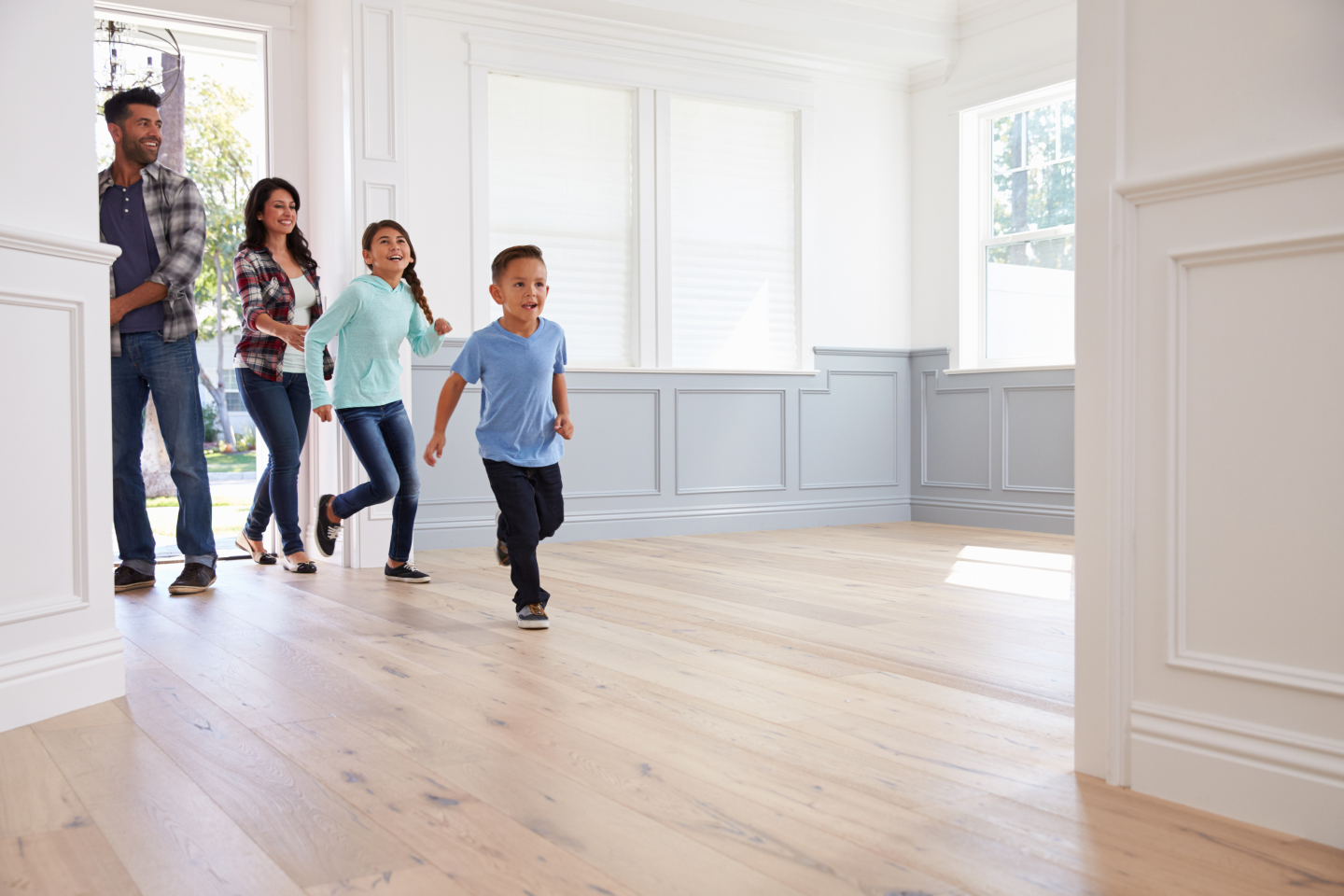
Moving into a new home can be an exciting and stressful time for families. While parents are busy packing and unpacking, children may be exploring their new surroundings, which can pose potential safety hazards. It’s important for parents to take extra precautions to ensure their children’s safety during this transitional period. Here are some tips for child safety when moving into a new home.
First and foremost, parents should familiarize themselves with the layout of their new home and identify any potential safety hazards. This includes checking for loose or broken tiles, sharp edges, and exposed wiring. Parents should also ensure that all windows and doors are secure and that any hazardous materials, such as cleaning supplies or sharp tools, are stored out of reach of children.
Another important aspect of child safety during a move is keeping a close eye on children at all times. With so many unfamiliar spaces and objects, children may be tempted to explore and play in areas that could be dangerous. Parents should supervise their children closely and make sure they are aware of any areas that are off-limits. By taking these precautions, parents can help ensure a smooth and safe transition into their new home.
- Assessing the New Home for Hazards
- Childproofing the House
- Creating a Safe Outdoor Environment
- Establishing Safe Sleep Environments
- Conclusion
Assessing the New Home for Hazards
When moving into a new home, it is important to assess the new environment for potential hazards that may pose a threat to the safety of children. Here are a few tips to help parents identify and address potential hazards:
- Check for sharp edges: Look for furniture with sharp edges, such as coffee tables or bookshelves, and cover them with corner guards to prevent injuries.
- Secure loose items: Make sure all loose items, such as lamps or picture frames, are securely fastened to the wall or placed out of reach of children.
- Check the flooring: Ensure that the flooring is slip-resistant, especially in areas such as the bathroom or kitchen, where spills are more likely to occur.
- Look for choking hazards: Keep an eye out for small items, such as toys or decorations, that could pose a choking hazard to young children.
- Check the windows: Ensure that windows are secured with locks or guards to prevent children from falling out.
By taking the time to assess the new home for potential hazards, parents can create a safer environment for their children and prevent accidents from occurring.
Childproofing the House
When moving into a new home with children, it’s important to take steps to childproof the house to prevent accidents and injuries. Here are some tips to help you get started:
- Install safety gates at the top and bottom of stairways to prevent falls.
- Cover electrical outlets with outlet covers to prevent children from inserting objects into them.
- Use cordless window coverings to prevent strangulation hazards.
- Secure furniture and appliances to the wall to prevent tipping over.
- Keep cleaning supplies, medications, and other hazardous materials out of reach and locked up.
- Install smoke detectors and carbon monoxide detectors on every level of the home.
By taking these simple steps to childproof the house, parents can help ensure their children’s safety in their new home.
Creating a Safe Outdoor Environment
When moving into a new home, it’s important to ensure that the outdoor environment is safe for children to play in. Here are some tips to help create a safe outdoor environment:
- Install a fence around the perimeter of the yard to keep children from wandering off or getting into areas that could be dangerous.
- Make sure that any play equipment, such as swings and slides, are installed properly and are in good condition. Check for any sharp edges or loose parts that could cause injury.
- Keep outdoor toys and equipment, such as bikes and scooters, in good condition and stored properly when not in use.
- Remove any hazardous materials, such as sharp tools or chemicals, from the yard to prevent children from getting hurt.
- Ensure that the outdoor lighting is adequate, especially in areas where children may be playing in the evening or at night.
- Teach children about the dangers of playing near streets and driveways, and make sure they understand the importance of always looking both ways before crossing the street.
By following these tips, parents can help create a safe outdoor environment for their children to enjoy and play in.
Establishing Safe Sleep Environments
When it comes to child safety in a new home, establishing a safe sleep environment is crucial. The following tips can help parents ensure their child’s sleeping area is safe and secure:
- Use a firm and flat mattress that fits snugly in the crib or bassinet.
- Avoid placing any soft objects, such as pillows, blankets, or stuffed animals, in the sleeping area.
- Dress the baby appropriately for the room temperature. Overheating can increase the risk of Sudden Infant Death Syndrome (SIDS).
- Position the baby on their back to sleep, as this reduces the risk of SIDS.
- Make sure the crib or bassinet is free from any hazards, such as loose or broken parts, sharp edges, or peeling paint.
By following these simple tips, parents can create a safe and comfortable sleeping environment for their child in their new home.
Conclusion
Finally, parents should make sure to keep a close eye on their children during the move and in the first few weeks after moving in. This can be a stressful time for children, and they may be more prone to accidents or wandering off. By staying vigilant and keeping a watchful eye, parents can prevent accidents and ensure their children’s safety.
Overall, by taking these simple steps, parents can create a safe and secure environment for their children in their new home.


