
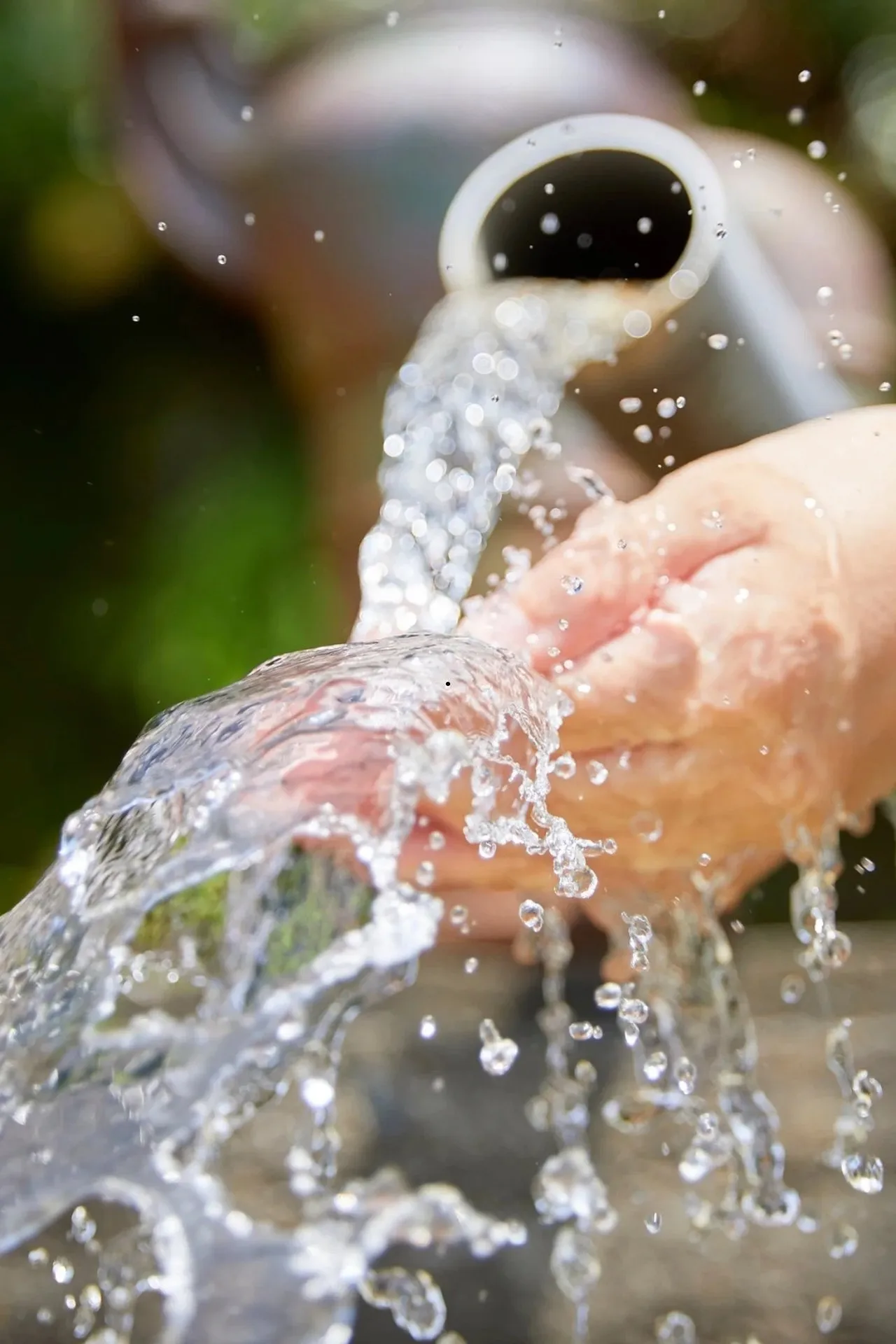
Creating a more sustainable home isn’t just about the materials we choose or the appliances we buy. Sometimes, it’s the things we don’t see, like the quality of our water, that make a difference.
For homeowners who rely on private wells, hard water can be an everyday challenge. Mineral buildup on faucets, cloudy glassware, and reduced appliance efficiency are just a few of the problems it can cause.
Fortunately, there are sustainable hard water solutions that can help protect your plumbing, conserve resources, and keep your home running efficiently.
What Causes Hard Water in Your Home?
Hard water contains naturally occurring minerals, primarily calcium and magnesium. As groundwater moves through soil and rock, it collects these minerals before reaching your home’s water supply.
According to the U.S. Geological Survey, hard water is common throughout many parts of the United States, particularly in areas where groundwater passes through mineral-rich rock.
While hard water is generally not a health concern, it can create several frustrating problems around the home.
Common signs of hard water include:
- White mineral deposits on faucets and showerheads
- Cloudy spots on dishes and glassware
- Soap scum on sinks, tubs, and shower doors
- Laundry that feels stiff after washing
- Mineral buildup inside water heaters and other appliances
Over time, these issues can mean more cleaning, additional maintenance, and unnecessary expenses.
How Hard Water Affects Your Home’s Efficiency
One of the biggest concerns with hard water is the mineral scale it leaves behind.
As calcium and magnesium accumulate inside plumbing and appliances, they can restrict water flow and interfere with normal operation.
Water heaters are particularly vulnerable because mineral deposits can collect on heating surfaces, making it more difficult to transfer heat efficiently.
Dishwashers, washing machines, and other water-using appliances may also require additional cleaning and maintenance.
Choosing an effective water treatment system can help reduce mineral buildup and protect these important household investments.
If you’re considering an upgrade, understanding how to choose the right Kinetico water softener is a helpful place to begin.
Choosing More Sustainable Hard Water Solutions
Not all water softeners operate the same way.
Traditional timer-based systems regenerate according to a preset schedule, even when the household hasn’t used enough water to require another cleaning cycle.
This can result in unnecessary water and salt consumption.
For homeowners looking to make more sustainable choices, a demand-initiated water softener may be a better option.
These systems monitor actual water usage and regenerate only when needed.
This approach can help:
- Reduce unnecessary water waste
- Lower salt consumption
- Minimize the number of regeneration cycles
- Maintain consistent water-softening performance
- Support a more efficient household water system
When comparing options, look for systems designed with water conservation and long-term efficiency in mind.
The Benefits of Non-Electric Water Softeners
Another option worth considering is a non-electric water softener.
Unlike systems that depend on electronic controls, certain non-electric models use the movement of water to operate their mechanical components.
These systems don’t require electricity for normal softener operation, which can be especially appealing for homeowners looking to reduce energy consumption.
Some non-electric systems also feature a twin-tank design. While one tank is in use, the other can regenerate, helping provide a continuous supply of softened water.
Because these systems operate according to actual water demand, they can reduce unnecessary regeneration and the resources it requires.
For homes with private wells, it’s important to remember that a non-electric softener doesn’t eliminate the need for electricity to operate the well pump.
What About Water Softeners and Septic Systems?
If your home has a septic system, water softener efficiency deserves additional consideration.
Salt-based water softeners produce wastewater during regeneration. Depending on the equipment, water usage, and septic system design, this discharge may need special attention.
Research suggests that properly maintained, efficient water softeners can often operate alongside appropriately designed septic systems. However, local regulations and installation requirements vary.
Before installing a new system, ask a qualified water treatment or septic professional about the appropriate method for managing regeneration discharge.
Choosing an efficient system and maintaining it correctly are important steps toward reducing unnecessary water and salt use.
5 Steps to Improve Your Home’s Water Quality
Before investing in a new water treatment system, take time to understand your home’s needs.
1. Test Your Water
Start by having your water tested to determine its hardness level.
If you use a private well, additional testing may be necessary for iron, manganese, bacteria, nitrates, and other potential contaminants.
The Centers for Disease Control and Prevention recommends testing private well water at least annually for certain contaminants.
A reliable water test will help you determine which treatment options are appropriate.
2. Check Your Plumbing and Appliances
Look for visible mineral deposits around faucets, showerheads, and sinks.
Check your water heater and other water-using appliances for signs of scale buildup or declining performance.
Identifying these problems early may help prevent more expensive repairs.
3. Compare Water-Efficient Systems
Look beyond the initial purchase price when researching water softeners.
Consider how much water and salt each system uses, whether it regenerates on demand, and what maintenance will be required.
An efficient system may offer better long-term value.
4. Consider Your Septic System
If your property uses a septic system, confirm that the proposed water treatment equipment and its discharge arrangement are appropriate for your setup.
A qualified professional can help you understand installation requirements and local regulations.
5. Choose a System That Fits Your Household
Every home’s water needs are different.
Household size, water hardness, daily water consumption, and available installation space all influence which system will work best.
Choosing equipment suited to your actual needs helps avoid unnecessary costs and wasted resources.
Small Upgrades Can Make a Lasting Difference
Creating a more sustainable home doesn’t always require a major renovation.
Sometimes, improving the systems we rely on every day can make just as much of a difference.
By understanding your water quality and choosing an efficient treatment system, you can help protect your plumbing, reduce mineral buildup, and limit unnecessary water and salt consumption.
Sustainable hard water solutions are one more way to care for your home while making thoughtful choices for the future.


