
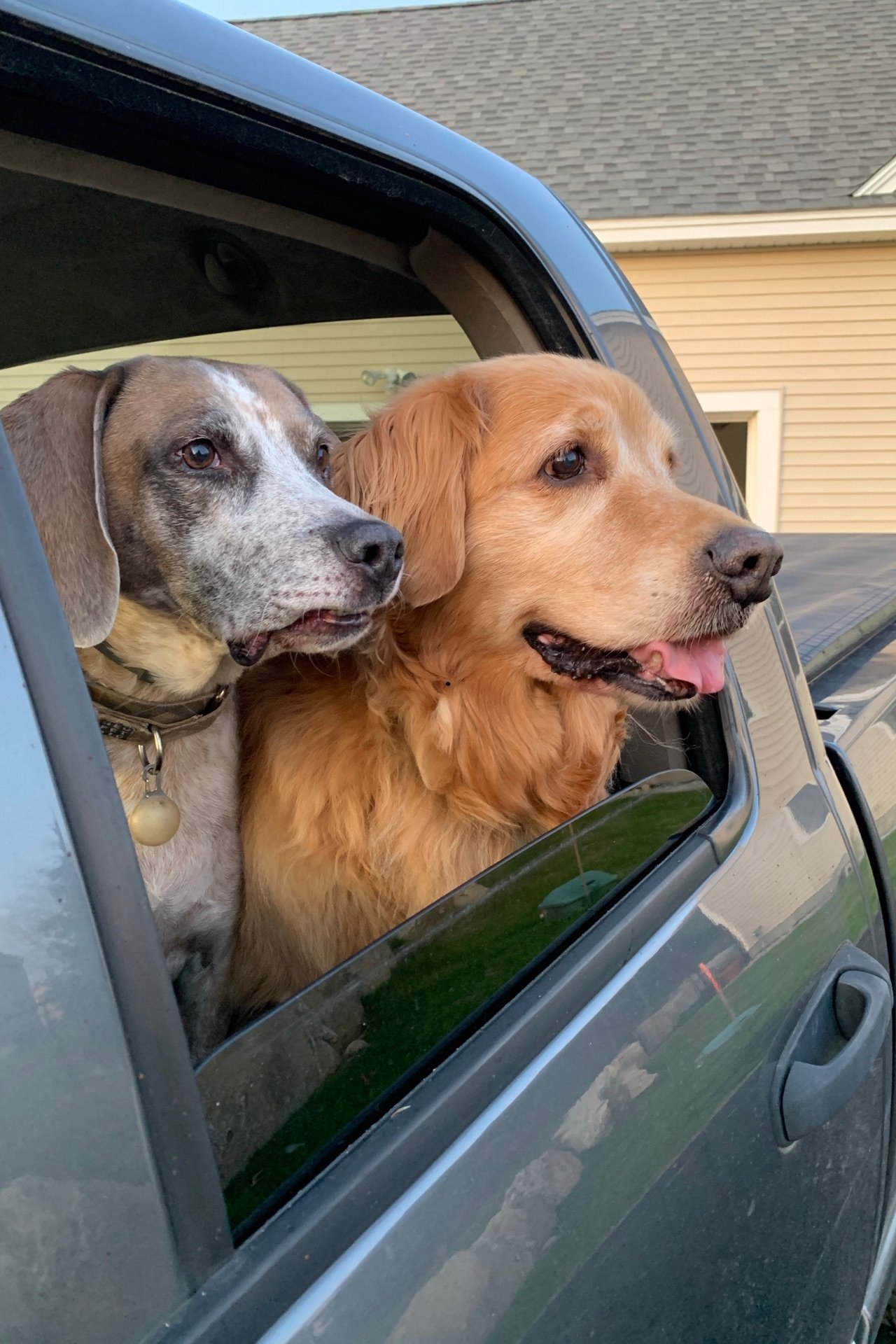
For homesteaders and rural property owners across the country, a farm dog is much more than a pet. They are working partners, loyal companions, and a vital part of daily life. Whether you are checking fences at the back of the paddock or heading into town for supplies, your dog is likely riding shotgun or hopping onto the back of the ute. However, traveling with your dog has safely requires careful planning to protect them from the harsh Australian elements and unpredictable road conditions.
Understanding the Risks and Regulations
Many drivers assume that an open flatbed is fine for a farm dog, but unrestrained travel poses severe risks. A dog riding loose on a tray can become a dangerous projectile during sudden braking. Beyond physical safety, there are strict legal requirements to consider. Across several states, heavy fines apply for failing to safely enclose or restrain a dog in an open vehicle. Working farm dogs are only exempt from certain restraint rules when actively herding livestock. For general travel to and from town, proper securement is mandatory.
Heat stress is another major hazard. Metal ute trays act as rapid heat conductors under the sun, which can quickly cause severe blistering to a dog’s paws. Veterinarians recommend the five-second test. If you cannot hold the back of your hand against the metal tray for five full seconds, it is too hot for your dog. For these reasons, official guidelines from Agriculture Victoria for travelling with dogs on the back of vehicles mandate that any cage used must be well-covered for shelter, adequately ventilated, sized to prevent cramping, and placed directly behind the cabin to minimise exposure to wind and dust.
Finding the Right Transport Setup
Moving away from basic tethers to a dedicated enclosure is the best way to ensure your dog is safe from weather extremes and road debris. However, rural homeowners also need their tray space for hauling feed, tools, and supplies. Finding the right balance between animal welfare and practical utility is crucial.
A popular option for many ute owners is installing a robust 1 4 dog box on the tray. This specific style of enclosure provides a secure, fully ventilated shelter for your dog while only taking up a quarter of the tray footprint. By securing the box directly behind the cabin as recommended by animal welfare experts, you create a shaded, wind-protected environment that keeps your companion comfortable without sacrificing the vital cargo space you need for a busy day on the property.
Helping Your Dog Adjust to Travel
Once you have a secure enclosure set up, you cannot expect your dog to instantly feel at home. Transitioning a dog to a new confined space requires a gentle approach to prevent travel-induced anxiety. The goal is to make the box feel like a safe den rather than a trap.
The process of introducing your dog to a new transport setup shares many similarities with preparing your pet for a stress-free boarding experience. Just as you would when dropping them at a kennel, it helps to provide familiar comfort items like their favourite blanket or a well-worn toy to reduce anxiety. Start by letting them explore the stationary enclosure with the doors open, offering treats and praise. Gradually work up to short, slow drives around the property before embarking on a longer trip into town or down the highway.
Best Practices for Safe Country Driving
Even with a secure setup and a relaxed dog, rural driving comes with its own set of challenges. Long distances, corrugated dirt roads, and intense summer heat mean you need to stay vigilant about your pet’s wellbeing throughout the journey.
Keep these practical tips in mind when hitting the road with your farm dog:
- Hydration is essential: Always pack extra fresh water and a spill-proof travel bowl. Temperatures inside a vehicle or enclosure can rise quickly, so offer water every time you stop.
- Take frequent breaks: Plan to stop every few hours to let your dog stretch their legs, relieve themselves, and get some fresh air outside the enclosure.
- Monitor the weather: Avoid travelling during the peak heat of the day. If the ambient temperature is soaring, even a shaded and ventilated space can become dangerously warm.
- Check latches and restraints: Before setting off, double-check that the enclosure doors are securely locked and that the box itself is firmly bolted to the tray.
Your farm dog works hard and gives you unwavering loyalty, so providing them with a secure, comfortable way to travel is the least you can do in return. By understanding the risks of open trays, investing in proper transport enclosures, and taking the time to ease them into the routine, you guarantee that your best mate will be ready for the road ahead.


