
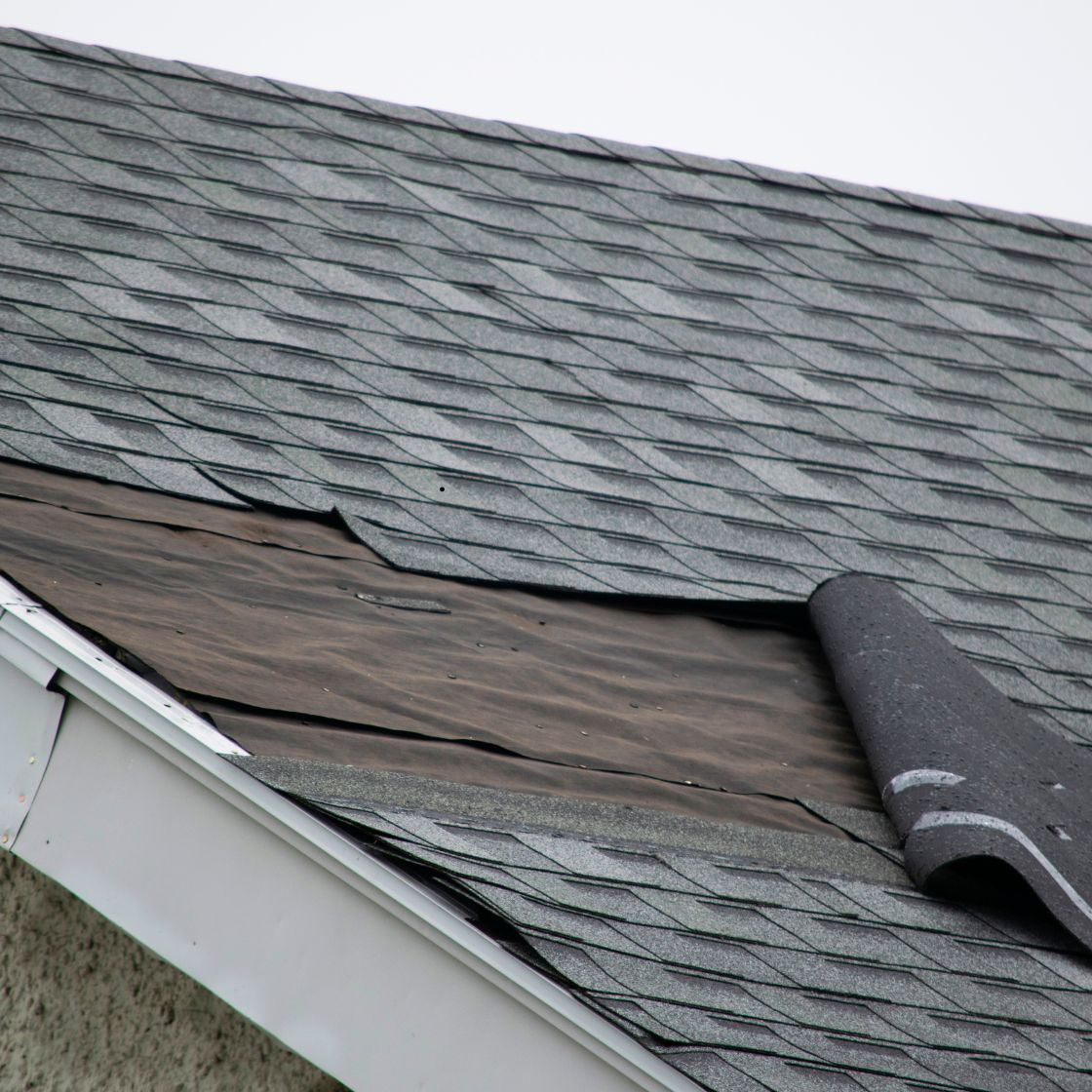
The hurricane season can bring severe weather conditions, especially in areas like Chicago, where strong winds and heavy rains can cause extensive damage. While hurricanes can be unpredictable, homeowners can take practical steps to prepare and protect their homes from potential damage.
Roofs often take the brunt of the impact during storms, making it crucial to ensure they’re reinforced and maintained. This guide outlines key strategies to help you safeguard your roof and home from the intense conditions that hurricanes bring.
Understanding Hurricane Season Risks
Hurricanes and tropical storms present unique risks, including high winds, driving rain, and flying debris. These conditions can severely impact homes, especially if they’re not prepared in advance.
Roofs are particularly vulnerable to this type of weather because they’re exposed directly to the elements. By understanding the specific risks hurricanes pose, homeowners can take proactive steps to prevent extensive damage and avoid costly repairs.
Professional Assessments for Enhanced Security
One of the most reliable ways to protect your home is by having a professional roofing assessment. In hurricane-prone areas, experts can help you identify potential weak spots and suggest improvements tailored to your local weather conditions.
Working with a reputable provider, such as Lakeland Roofing Company in Chicago, can add peace of mind. Companies with experience in hurricane preparation are familiar with the challenges hurricanes bring and can provide insights to strengthen your roof’s resistance. Selecting knowledgeable, local professionals can be a wise step in making sure your roof is ready for the season ahead.

Reinforcements for Hurricane-Resistant Protection
Investing in reinforcements is one of the best ways to prepare your roof for hurricane conditions. Hurricane straps, for instance, are metal connectors that firmly attach the roof to the walls, helping the structure stay intact during high winds. For further security, you might consider using reinforced shingles, which are designed to withstand stronger wind forces, reducing the risk of shingles lifting or tearing off during a storm.
Securing Surroundings to Minimize Damage
The area surrounding your home plays a significant role in protecting your roof during hurricane season. Overgrown trees can become a hazard if their branches hang over or near the roof, as they may break off in high winds, causing damage. Regularly trim these trees to create a safer perimeter around your home.
Additionally, secure or store any loose outdoor items, like patio furniture, plant pots, and yard decorations, as these can become projectiles in strong winds and damage your roof or windows. Check any nearby fences, playsets, or garden structures as well, ensuring they’re firmly anchored to the ground or placed out of harm’s way.
Seasonal Preparation Tips
Before hurricane season begins, take proactive steps to prepare your roof and property. Start by clearing gutters of leaves, branches, and other debris. Blocked gutters can cause water to pool on the roof, leading to potential leaks and water damage, especially in heavy rain. Additionally, inspect and clear drainage points around the property to make sure water flows away from your foundation.
Consider sealing any minor cracks or gaps in your roof, chimney, or other exposed areas that may worsen during extreme weather. These simple maintenance tasks help your roof stay solid and ready for hurricane season. Scheduling routine inspections and addressing minor fixes can prevent more extensive repairs, which could be harder to manage if a major storm is on the horizon.
Post-Storm Maintenance and Safety Checks
After a storm:
- Assess your home’s condition to catch any issues early on.
- Start by looking for visible signs, like loose or missing shingles, which can leave the structure vulnerable to further damage.
- Inside your home, check for any signs of leaks or water stains on ceilings, which could indicate roofing issues that need immediate attention.
- Inspect the gutters to ensure they’re free of blockages or breakages caused by storm debris, as clogs could lead to further water damage during the next rain.
Addressing minor problems quickly can save you from more costly repairs down the road. If you notice substantial damage, reach out to a professional roofing expert promptly to assess and repair any issues, preventing further complications and ensuring your home remains protected for the rest of the season.

Conclusion
Preparing for hurricane season doesn’t just protect your roof; it safeguards your entire home and provides peace of mind. By following these steps, you’re taking practical actions to minimize potential damages from severe weather. Working with experienced professionals can further reinforce your preparation efforts, ensuring your home is well-equipped for the hurricane season. Simple, consistent maintenance and proper planning go a long way in keeping your roof and home resilient during challenging times.


