How to Keep Ants Off Your Hummingbird Feeders (Without Harsh Chemicals)
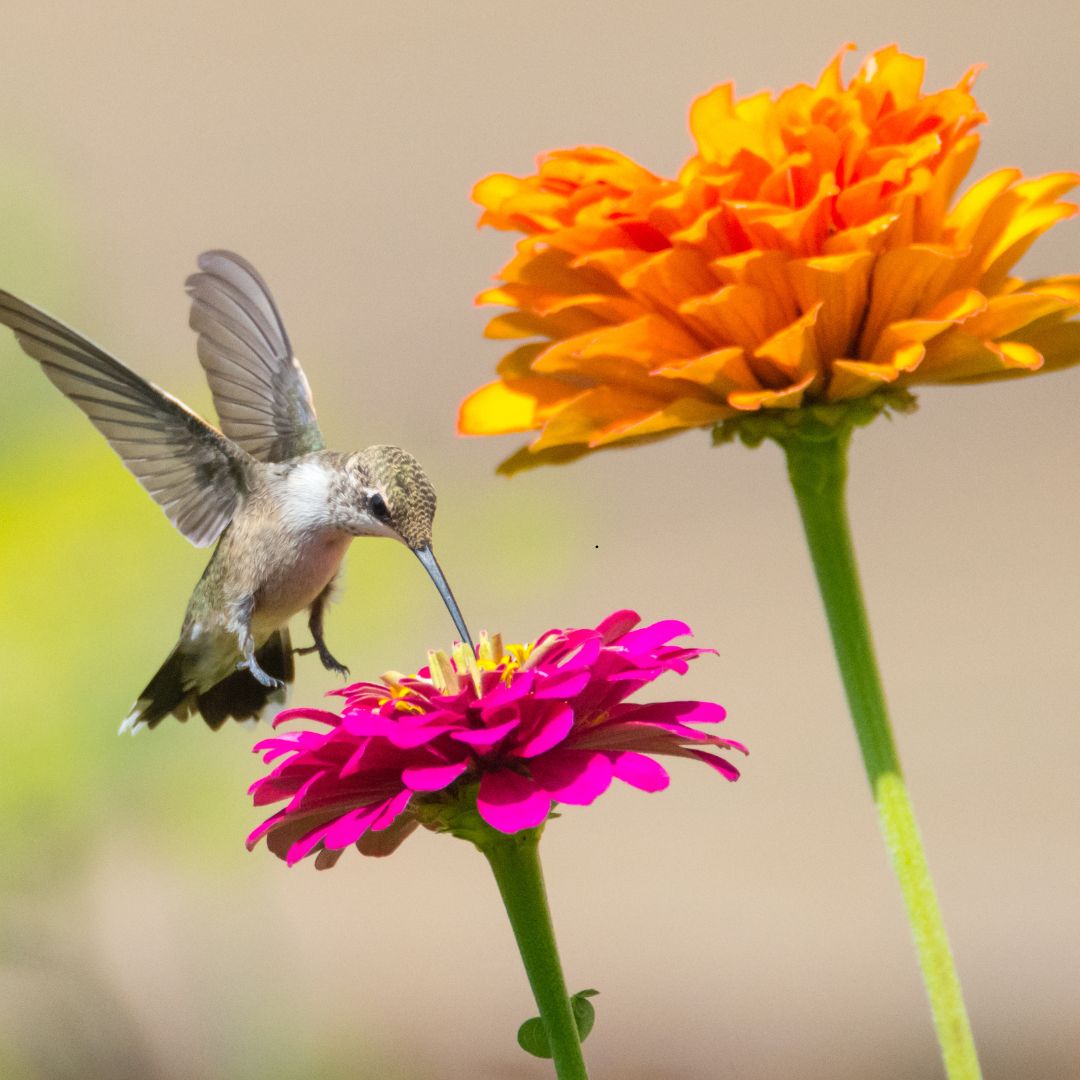
There’s nothing sweeter than watching hummingbirds zip through your garden, wings buzzing like tiny helicopters, as they enjoy a sugary sip from your feeders. But nothing ruins that joy faster than ants marching up to join the feast!
If you’ve ever battled these tiny invaders, you know how persistent they can be. Here’s the good news: there are simple, natural, and effective ways to keep ants off your hummingbird feeders—and out of the nectar.
Why Ants Love Your Hummingbird Feeder
It really is obvious, ants are drawn to sugar like bees to, well…flowers. That nectar mix (usually a 4:1 water-to-sugar ratio) is irresistible to them. Once they find it, they’ll invite their whole colony, and soon you’ve got a trail of ants disrupting the peace and contaminating the nectar.
But don’t worry—here are tried-and-true ways to keep your feeders ant-free and hummingbird-happy.
1. Use an Ant Moat (Game-Changer!)
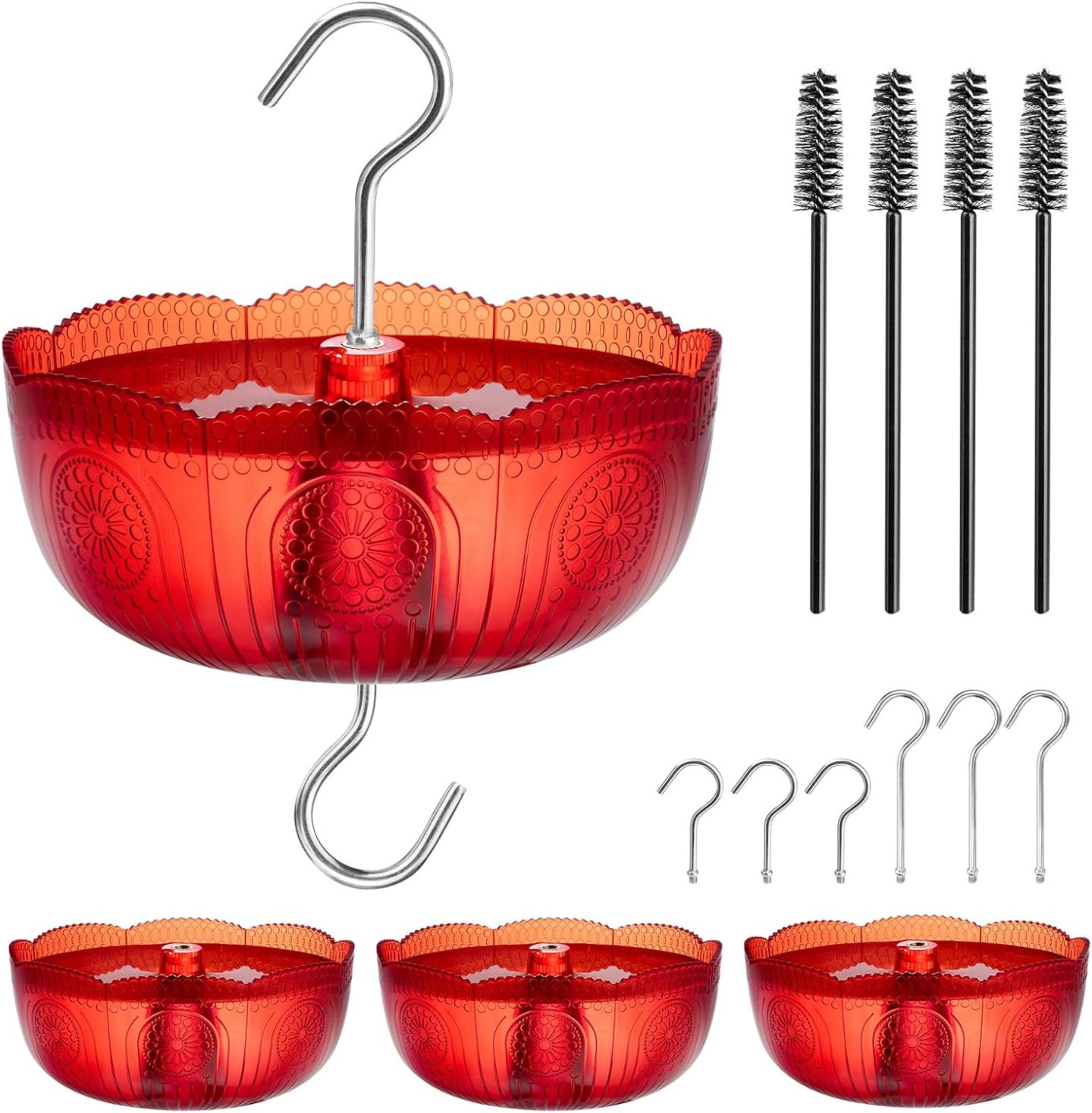
An ant moat is a small water-filled cup that acts as a barrier between the hanger and the feeder. Ants can’t swim, and they certainly can’t cross water, so this stops them in their tracks. Some feeders come with moats built in, or you can buy clip-on ones (or DIY one—think upside-down bottle cap + string + a bit of water!).
Tip: Check the moat daily and keep it filled, especially on hot summer days.
Sugar spills and drips are like laying out a red carpet for ants. After you fill your feeder, wipe down the outside to remove any stickiness, and clean the feeder thoroughly at least once a week (more often in hot weather).
Bonus: This also keeps the nectar fresh and safe for hummingbirds.
3. Hang Feeders with Fishing Line
Ants are surprisingly acrobatic—but they struggle with smooth, slippery surfaces like fishing line. Hanging your feeders with clear monofilament line (20–30 lb. test works great) makes it harder for ants to climb down to the feeder, giving you an extra layer of protection.
Tip: Make sure the line is long enough that ants can’t reach from above or nearby branches.
4. Move the Feeder Around
Ants are creatures of habit. If you notice one feeder constantly getting invaded, try relocating it to another tree branch or hook. This can throw off their scent trail and give you a chance to regroup.
5. Place Feeders in the Shade
Here’s something I started doing and it’s made a noticeable difference: I moved my hummingbird feeders to the shade to keep the nectar from heating up and spoiling so quickly—especially during those hot Indiana afternoons when it feels like everything is melting. Not only does it help the nectar stay fresher longer (which means less waste and fewer refills), but I’ve also noticed fewer ants in those shaded spots.
Turns out, ants love sunbathing just as much as we do—but the hummingbirds? They’re perfectly happy to sip in the shade. Win-win!
6. Create a Ground Barrier Around the Feeder Stand
If you’re using a feeder pole or stand rather than hanging from a tree, you can block ants right at the source—from the ground up. Ants will naturally climb up the pole, so stopping them there is key.
Here are a few smart, non-toxic barrier options:
Vaseline or cooking oil (sparingly!) around the bottom portion of the pole to create a slippery surface ants can’t grip. Avoid putting this near the top where birds could come into contact.
Food-grade diatomaceous earth sprinkled around the base of the pole—this fine powder dehydrates ants and other insects, but it’s safe for birds and pets.
Cinnamon or coffee grounds can also be sprinkled in a ring at the base. Ants dislike both scents and will often avoid crossing them. (Just reapply after rain.)
Create a moat at ground level using a small saucer or pan of water that the feeder stand sits in—ants won’t swim across.
Tip: If you’re DIY-savvy, you can even use double-sided tape or a sticky barrier low on the pole, far from where birds perch or feed.
These simple ground barriers are a great add-on if you’ve already tried hanging tricks and want extra ant-proofing power from the bottom up.
7. Avoid Leaky Feeders
Poorly made or aging feeders may leak, which constantly attracts ants. If you’ve done everything and still have issues, check for cracks or loose seals and consider upgrading to a no-drip feeder design.
Final Buzz
With a few clever tweaks, you can enjoy a peaceful, ant-free hummingbird haven all season long. These beautiful birds bring joy, movement, and a spark of magic to your outdoor space—and they deserve a clean, safe spot to refuel.
Have a favorite tip for keeping ants away? Share it in the comments—I’d love to hear what’s worked for you!
This website uses cookies to improve your experience. We'll assume you're ok with this, but you can opt-out if you wish.AcceptRejectRead More
Privacy & Cookies Policy
Privacy Overview
This website uses cookies to improve your experience while you navigate through the website. Out of these, the cookies that are categorized as necessary are stored on your browser as they are essential for the working of basic functionalities of the website. We also use third-party cookies that help us analyze and understand how you use this website. These cookies will be stored in your browser only with your consent. You also have the option to opt-out of these cookies. But opting out of some of these cookies may affect your browsing experience.
Necessary cookies are absolutely essential for the website to function properly. This category only includes cookies that ensures basic functionalities and security features of the website. These cookies do not store any personal information.
Any cookies that may not be particularly necessary for the website to function and is used specifically to collect user personal data via analytics, ads, other embedded contents are termed as non-necessary cookies. It is mandatory to procure user consent prior to running these cookies on your website.