
 Source
Do you ever feel like your meals could use a little more pizzazz? Are you tired of spending a small fortune on fresh herbs from the grocery store only to have them wilt in your fridge? Fear not! Herb gardening is the answer to your culinary woes. Not only does it allow you to add a burst of flavor to your meals, but it also gives you the satisfaction of growing something beautiful and delicious with your own two hands.
This post will take you through the ins and outs of herb gardening, from choosing the perfect herbs to suit your tastes to nurturing them into flourishing little plants. So roll up your sleeves, grab your gardening gloves, and get ready to embark on the flavorful journey of Herb Gardening 101.
First things first, let’s talk about choosing the right herbs:
Think about your favorite dishes and the flavors that make your taste buds dance.
- Basil has a sweet, aniseed-y flavor that adds an Italian flair to your meals.
- Rosemary is pungent and woodsy, perfect for roasts and hearty stews.
- Oregano is earthy and slightly citrusy, lending itself well to Mediterranean-style dishes.
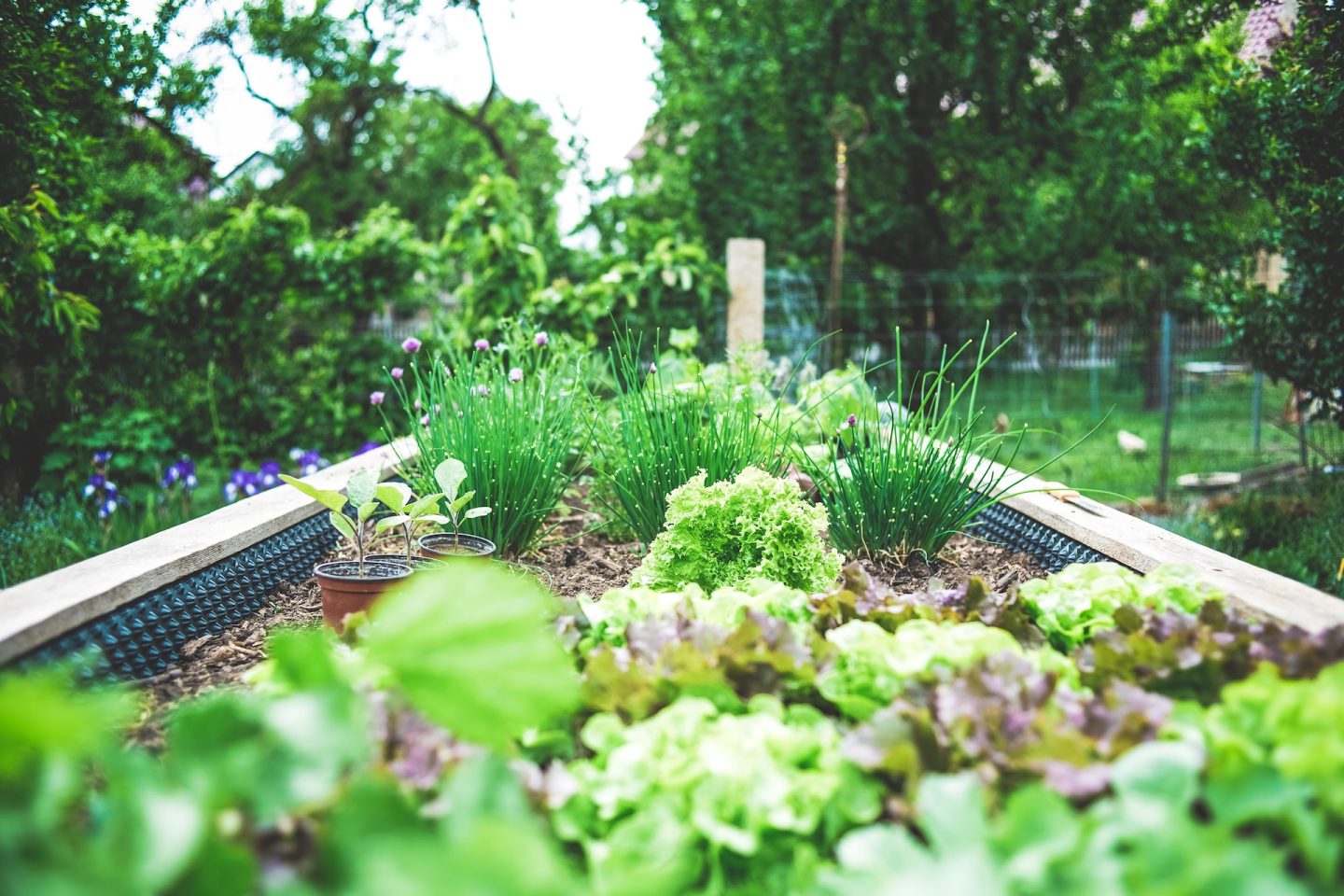
- Chives are mild in taste and make a great garnish for salads, sandwiches, and omelets.
- Mint adds a refreshing touch to desserts and drinks like mojitos.
This list is by no means exhaustive; there are dozens of herbs out there waiting to bring excitement to your culinary creations. So think about the flavors you enjoy most and start from there.
Now that you’ve chosen your favorite herbs, it’s time to find the perfect spot for them in your garden:
For a herb garden to flourish, it needs to be in a warm, sunny, and clean area. Aim for somewhere that gets at least six hours of direct sunlight a day and is sheltered from strong winds and heavy rains. If you’re short on outdoor space, you can always opt for containers and window boxes.
Next up: soil prep!
Herb garden soil needs to be well-draining, so if your soil is clay-heavy or prone to getting waterlogged, you might want to consider adding some organic material. Compost or manure are great options for this. You’ll also want to add some slow-release fertilizer to ensure steady nutrient availability for your herbs throughout the growing season.
After your soil is prepped, it is time to pick up those gardening tools:
Now that your soil is ready, it’s time to plant! But before you can plant, you’ll need some gardening tools. A trowel or small shovel is great for planting your herbs; a watering can keep them hydrated, and a pair of gardening gloves will protect your hands from thorns and dirt. And don’t forget about power gardening tools such as a lawnmower, hedge trimmer, and edging shears to keep your garden looking neat and tidy.
Last but not least: watering and maintenance!
Your herbs will need regular watering to thrive; aim for around 2-3 times a week, and make sure the soil is damp but not waterlogged. Additionally, remember to trim your herbs regularly to encourage bushy growth and discourage leggy plants.
Herb gardening may seem intimidating at first, but with these tips in hand, you’ll be an herb-growing pro in no time. So go on, get creative with your garden, and enjoy the flavor-packed benefits of growing herbs at home!


