
Technology has shaped and changed our lives in so many different ways, but who knew that something as straightforward, something as traditional and something as simple as growing food and plants could also be affected by this new age? Technology, however, has allowed us to become more efficient at growing food, food which affects our health, and our educational outcomes, agricultural production, nutrition, and generally the success of society.
Modern technologies are revolutionizing the way we can now grow food, from gardeners and small-scale farmers to industrial-scale food producers. These advances are changing the ways growers go about their day-to-day work, helping them to produce healthier crops in higher quantities.
For example, have you ever wondered why some crops only grow in some regions of the country? Look at corn, technologies have allowed it to be more tolerant of freezes and farmers have tillage practices now that will enable it to be grown in different areas. Then there’s the fact we have refrigeration and other technologies that can keep fruit from ripening and this has made it possible to grow crops in the places that have the best growing conditions for them and ship them to consumers at little cost.
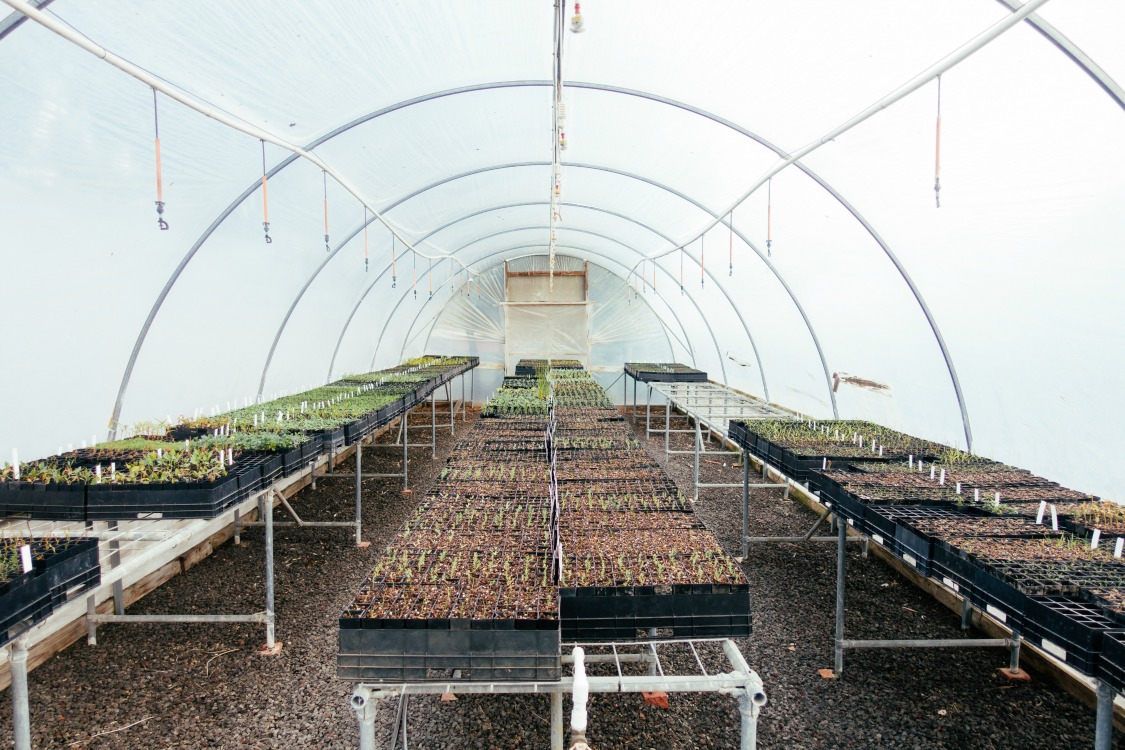
While there might be job losses as robots pose a threat to human labor, actually these technology advancements serve to ensure efficiency and effectiveness of processes and products, reduce lag time, and increase output. Vertical farming, for example, is the use of controlled-environment area technology for growing food. A technology-powered innovation which is a solution to uncontrollable weather and farming conditions, meaning that abandoned warehouses and shipping containers have been transformed into farmlands. Now within this new type of farmland, there is a controlled environment, and the techniques which are used are similar to those of greenhouses. The increasing of natural light with artificial lighting is not an uncommon practice, and most recently, LED lights have been used to mimic sunlight to grow foods.
You might say this is all pretty obvious stuff, so what else is new in the world of growing food and plants?
Hydroponics
Did you think you needed soil to grow what you need? Wrong, hydroponic systems will get the job done even faster and is a method of growing plants in a water-based, nutrient-rich solution. This method doesn’t use soil, but instead, the root system is supported using an inert medium such as rock wool, perlite, clay pellets, peat moss, or vermiculite. The basic premise behind hydroponics is to allow the plants’ roots to come in direct contact with the nutrient solution, while also having access to oxygen, which is essential for proper growth. Growing with hydroponics means a significantly increased rate of growth in your plants, and with the appropriate setup, your plants will mature up to 25% faster and produce up to 30% more than the same plants grown in soil.
Machine Intelligence
Just like with any other industry, tasks that depend solely on human labor are reducing by the day. If cars can now drive themselves, then why not tractors and other farm machines? Machine intelligence has reduced the inefficiencies related to human labor when it comes to farming and growing and not only that but urban areas now don’t have to depend on rural farmers for their entire food consumption as they can utilize the spaces to grow food. Then there’s the lag time which was once wasted on irrigation and fertilization as two separate tasks ad different times has now been merged into one job with the name of fertigation. This is a process which combines fertilization and irrigation and means that fertilizer is added into an irrigation system. This is most commonly used by commercial growers.
Weed Control
While in small farms, humans are very capable of doing the job of weed control because of the time given to “seeing” and eliminating weeds across the farmland. However, large scale food growing cannot afford the time and resources needed to do this. So, the solution is using herbicides and then machines to help the spraying and make it far more efficient. Normal spraying in the past always left a lot of unnecessary herbicides lying around on the farm. This is not only a waste of resources but a waste of labor effort too, so the solution? Weed-control processes which target the weeds alone. This is fast, efficient, and has no effect on the farm yield.
With the invention of the see and spray machines as well as computer vision and machine learning, weed control has been revolutionized. The see and spray smart machine is the new way to control weeds, as it ejects 90% of the herbicide used while at the same time, makes sure weeds are eliminated. As it’s an intelligent machine, it features a “sense and a decide” function where it sees every plant and decides the appropriate treatment for them, while the robotic nozzles target unwanted weeds in real-time as the machine drives through.
Robotic Plant Grafting
Artificial Intelligence is all about efficacy, speed, and convenience. It has meant that once-stressful tasks are now handled by robots, check out this report on a robotic system that grafts disease-resistant roots to robust plant tops as quickly as you can say chop-chop.
Agricultural Drones
Then, of course, there are agricultural drones which allow farmers and the drone pilots that operate them to increase efficiency in certain aspects of the farming process. This includes crop monitoring to planting, livestock management, crop spraying, irrigation mapping, and much more. Drones can also be used for land scouting, spot treating of plants, and general farm management.
Precision agriculture seeks to use new technologies to increase crop yields and profitability while lowering the levels of traditional inputs needed to grow crops (land, water, fertilizer, herbicides, and insecticides).
The future of food growing is growing; it’s new, it’s exciting and artificial intelligence is driving it.


