
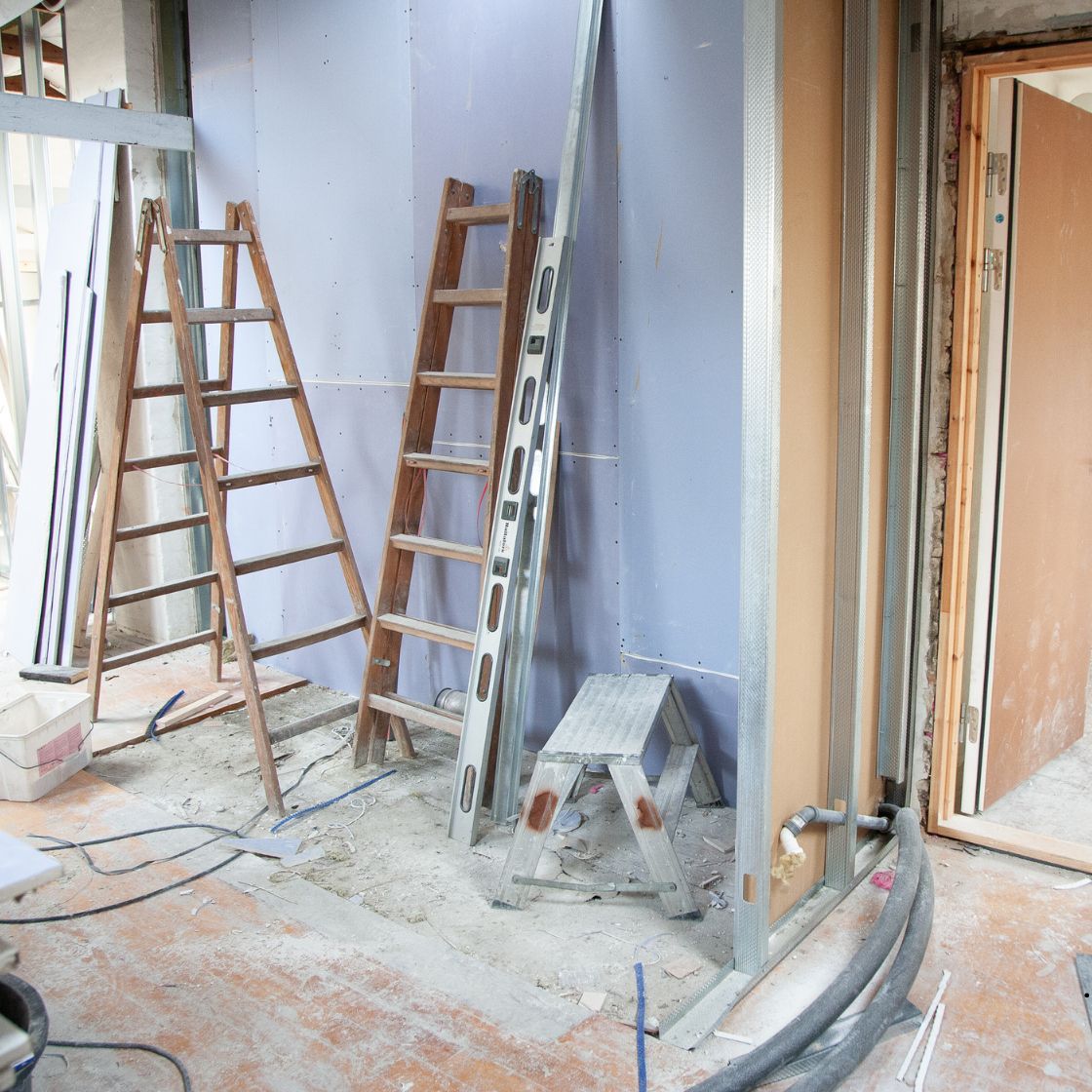
Renovating a home is an exciting venture. It offers the chance to breathe new life into your space, enhance functionality, and improve its overall aesthetic appeal. However, without proper planning and management, a renovation project can spiral into a stressful ordeal. From escalating costs to delays, the process can feel overwhelming. Here are some strategies to ensure you stay in control throughout your home renovation journey.
1. Define Your Goals Clearly
Before swinging a hammer or selecting tiles, take the time to identify your objectives. Are you remodeling to improve functionality, update aesthetics, or increase resale value? Understanding the purpose of the renovation will help guide your decisions and keep the project aligned with your vision. Write down your priorities, such as must-have features or areas where you’re willing to compromise, and revisit these goals often.
2. Establish a Realistic Budget
One of the biggest challenges in home renovations is sticking to a budget. To avoid financial surprises, research costs thoroughly. Consider materials, labor, permits, and potential hidden expenses such as structural repairs or unforeseen issues. It’s wise to set aside a contingency fund—about 10-20% of your total budget—to account for unexpected costs. Regularly tracking expenses against your budget will help you stay on top of financial commitments.
3. Create a Detailed Plan
A comprehensive renovation plan is your roadmap to success. Outline the project’s scope, the sequence of tasks, and the expected timeline. Collaborate with your contractor or design professional to develop a step-by-step plan that minimizes disruptions. Include milestones and deadlines to track progress effectively. Having this clarity will reduce stress and allow you to monitor whether the project is staying on course.

4. Vet Contractors Carefully
Your contractor can make or break your renovation experience. Take time to research and interview potential candidates. Ask for references, check reviews, and verify credentials. Choose a contractor who understands your vision and communicates effectively. A signed contract that outlines the scope of work, payment schedule, timeline, and other critical details is essential for setting expectations and protecting your interests.
5. Communicate Clearly and Regularly
Miscommunication can lead to delays, mistakes, and frustration. Keep an open line of communication with your contractor, designers, and any other professionals involved. Regular updates, site visits, and progress reports will help ensure everyone is on the same page. Don’t hesitate to ask questions or request clarifications if something seems unclear.
6. Be Flexible, But Maintain Control
Renovation projects rarely go exactly as planned. Unexpected issues may arise, such as supply chain delays or structural surprises. While it’s important to remain adaptable, don’t lose sight of your goals or let the project veer too far from your initial plan. Weigh changes carefully, considering their impact on your budget, timeline, and overall vision before agreeing to them.
7. Temporary Living Arrangements
Living in your home during a renovation can be chaotic, especially for large-scale projects. Consider the impact on your daily routine, safety, and comfort. In some cases, moving into a temporary living arrangement might be the best solution. Opting for short term rentals can provide a stress-free environment where you can continue your routine while the renovation is underway. This option also gives contractors the freedom to work without worrying about disrupting your life.
8. Choose Quality Over Trends
When selecting materials and finishes, focus on durability and timeless appeal. While it’s tempting to chase the latest design trends, these can quickly become outdated, reducing the value of your renovation. Prioritize quality materials that will stand the test of time, even if they come with a slightly higher upfront cost. This approach ensures that your investment provides long-term satisfaction.
9. Monitor Progress Without Micromanaging
It’s essential to strike a balance between staying informed and giving professionals the space to do their jobs. Regularly visit the site to observe progress, ask questions, and address concerns. However, avoid hovering over the contractors or making last-minute changes unless absolutely necessary, as this can slow the project down.

10. Anticipate the Emotional Rollercoaster
Renovations often come with highs and lows. The thrill of seeing your vision take shape can be quickly tempered by delays or unexpected challenges. Preparing yourself mentally for this emotional journey will help you stay patient and focused. Celebrate milestones to keep morale high, and remember that the finished result will be worth the effort.
Closing Thoughts
Staying in control during a home renovation requires careful planning, clear communication, and a focus on your goals. By defining your priorities, managing your budget, and choosing the right professionals, you can navigate the process with confidence and minimize stress. Whether it’s finding temporary housing or making informed decisions about materials, each step you take brings you closer to a home that reflects your vision. With patience and preparation, your renovation can be a rewarding and fulfilling experience.


