
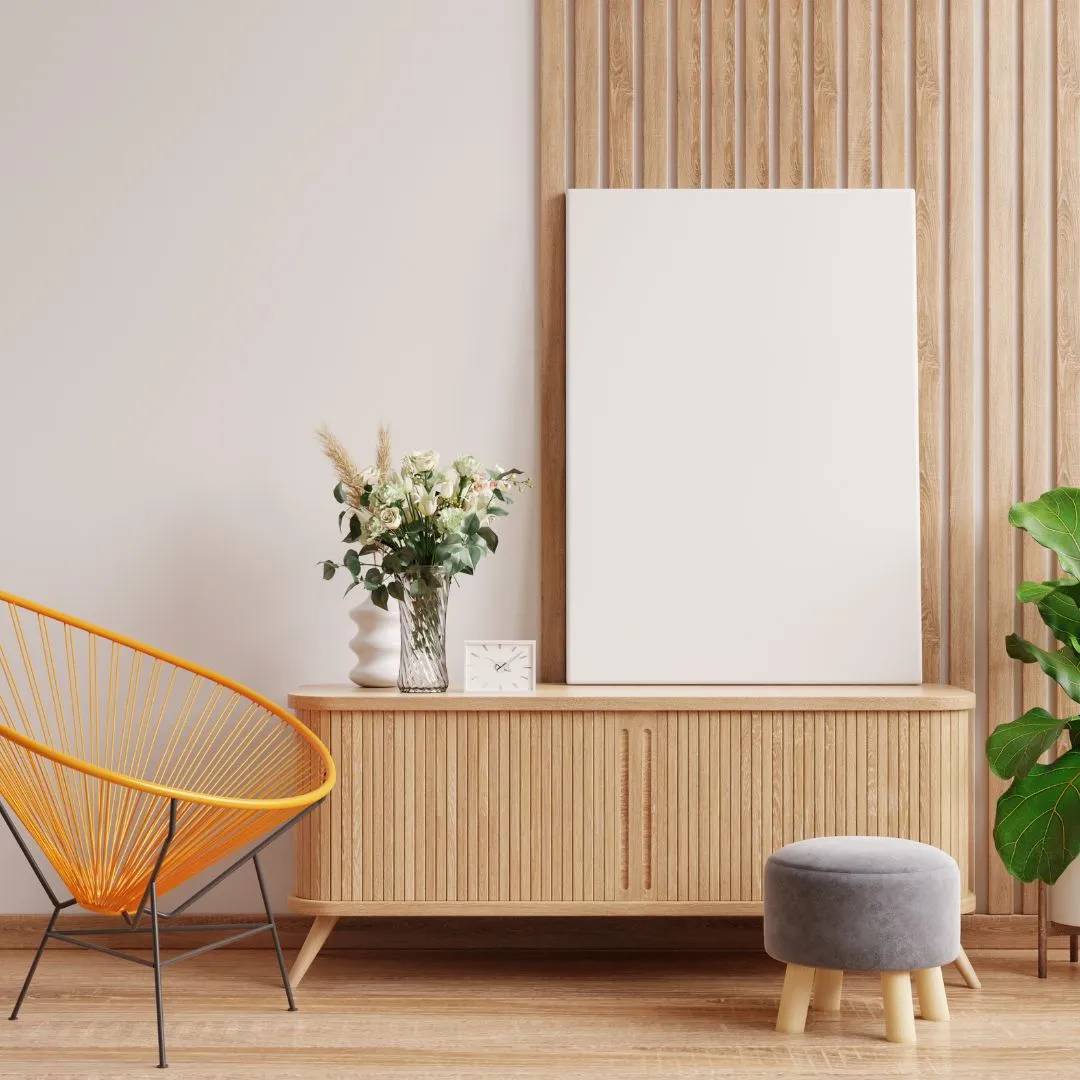
Fresh flowers are one of the easiest ways to improve how a home looks and feels. They add color, texture, and life without the need for big changes or expensive decor updates. When used thoughtfully, flowers can fit into any interior style, from modern apartments to classic family homes.
This guide focuses on practical, expert-backed ideas for using flowers in home decor, room by room, with tips you can actually apply.
Why Flowers Work So Well in Home Decor
Flowers bring three key elements into a space:
- Color, which can highlight or balance your palette
- Natural texture, which softens hard lines from furniture and walls
- Movement, since flowers change slightly as they open and age
Interior designers often use flowers the same way they use pillows or artwork. As accents that tie a room together without overwhelming it.
Living Room: Make Flowers the Visual Anchor
The living room is where flowers can have the biggest impact. This is usually the largest shared space and the first area guests see.
Practical tips:
- Use one main arrangement as a focal point on a coffee table or side table.
- Choose medium to large blooms like roses, hydrangeas, or peonies for scale.
- Keep height in mind. Arrangements should not block sight lines when people sit.
- Match colors to your decor. Neutral rooms work well with white or soft pastel flowers, while bold interiors can handle brighter tones.
A simple rule designers follow is one strong arrangement per living room, rather than many small ones scattered around.
Dining Room: Keep It Low and Balanced
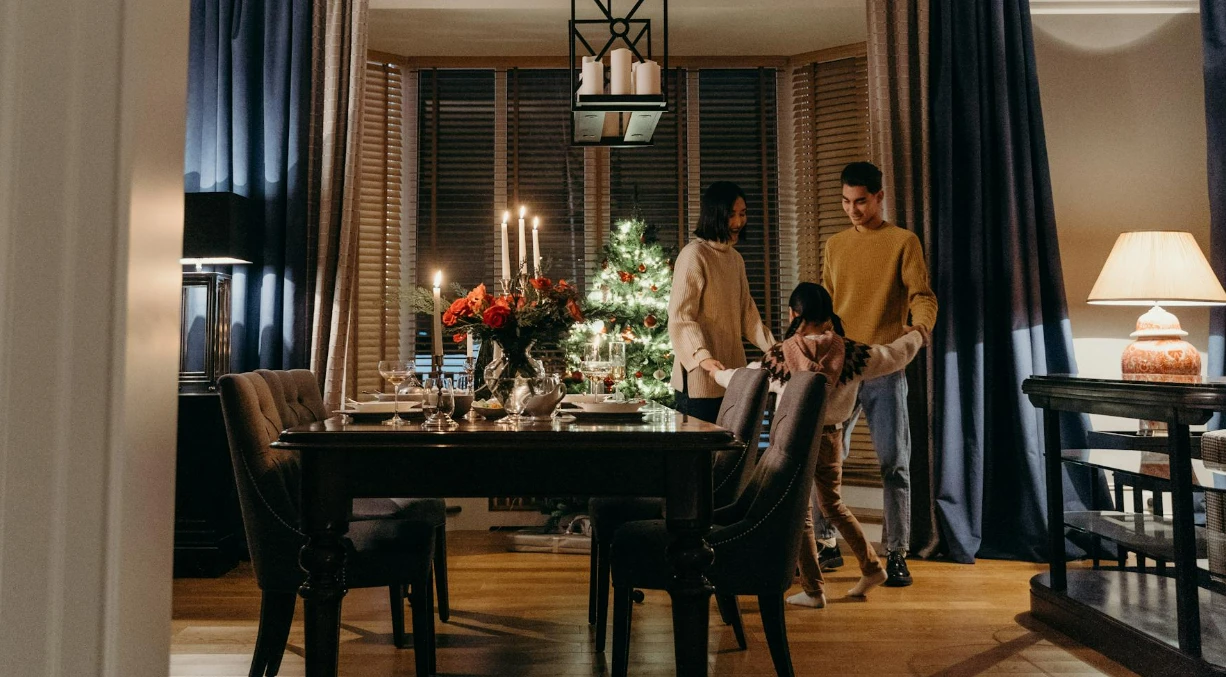
Flowers on a dining table should add elegance without getting in the way of conversation or food.
What works best:
- Low centerpieces that sit below eye level.
- Compact mixed bouquets or a row of small vases.
- Flowers without a strong fragrance so they do not interfere with meals.
Tulips, ranunculus, and roses are popular here because they look refined but not bulky. For everyday use, even a simple glass vase with seasonal flowers can lift the space.
Kitchen: Small Touches That Feel Fresh
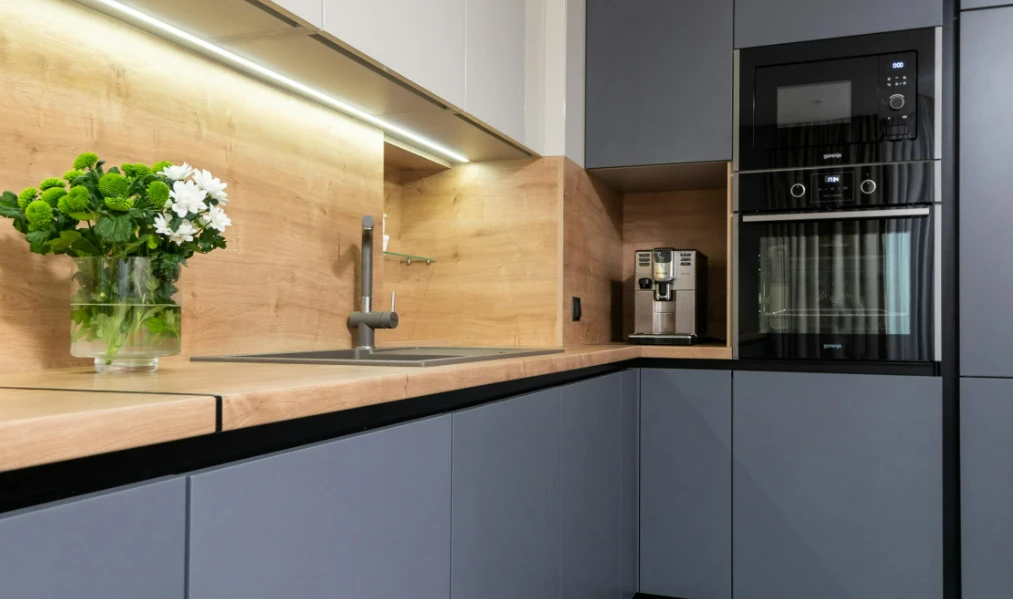
In kitchens, flowers should feel light and practical.
Best ideas:
- Place a small vase near the sink or on an island.
- Use hardy flowers like chrysanthemums, carnations, or sunflowers.
- Keep arrangements compact so they do not take up workspace.
Herbs in pots can also work as floral decor while being useful for cooking.
Bedroom: Soft and Calming Arrangements
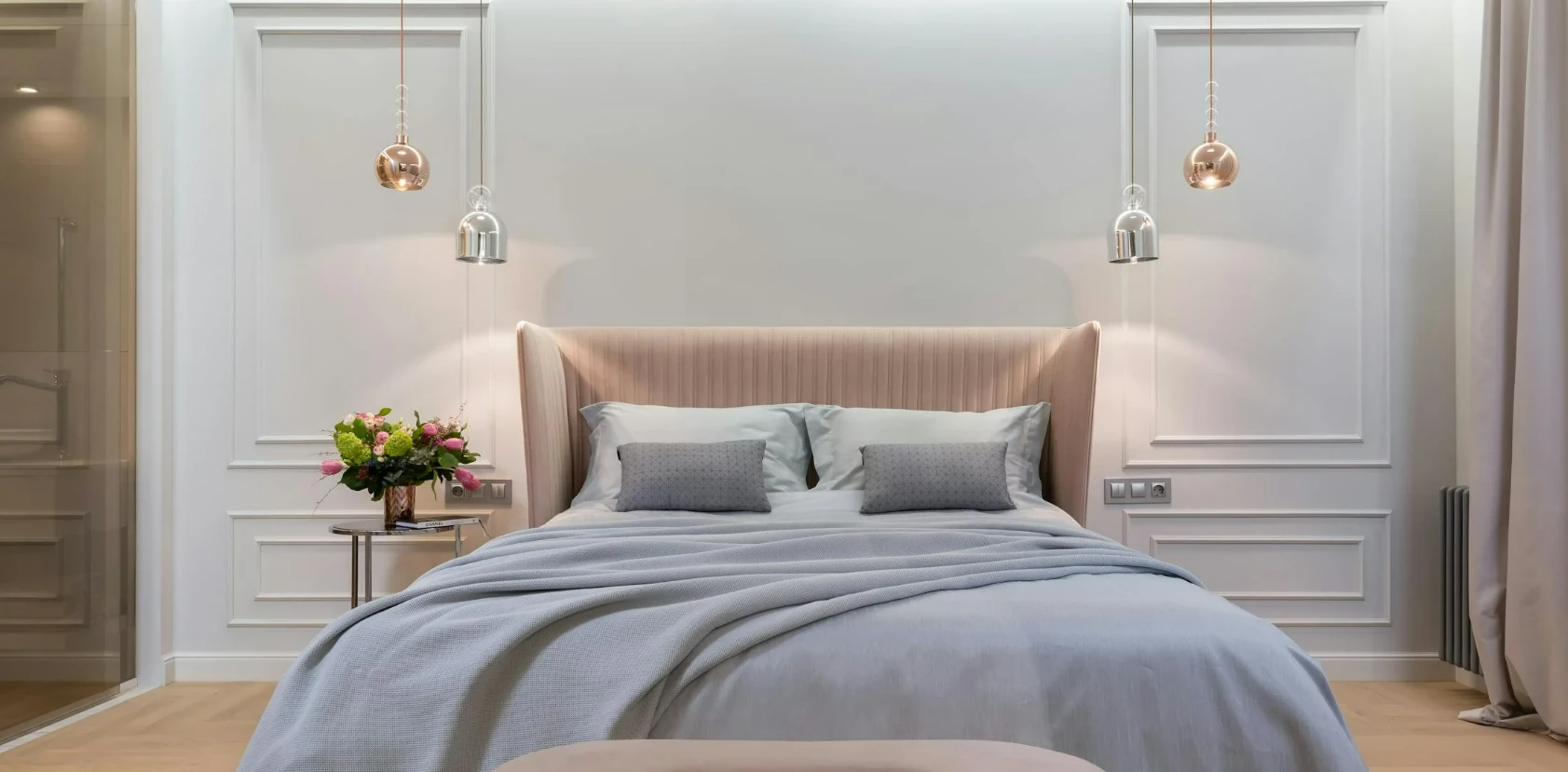
The bedroom is about rest, so flowers here should support a calm mood.
Expert tips:
- Stick to soft colors like white, blush, or lavender.
- Use gentle flowers such as roses, lisianthus, or peonies.
- Avoid heavy scents that could disrupt sleep.
A small arrangement on a nightstand or dresser is enough. The goal is subtle beauty, not a statement piece.
Bathroom: A Touch of Luxury
Flowers instantly make bathrooms feel more refined, like a hotel or spa.
How to style them:
- Choose moisture-tolerant flowers like orchids.
- Use slim vases that fit on counters or shelves.
- Keep arrangements simple and vertical.
Even one stem can make a difference in a small bathroom.
Home Office: Add Life Without Distraction
In workspaces, flowers should improve the atmosphere without becoming a distraction.
Good choices:
- Clean, structured flowers like tulips or calla lilies.
- Neutral or soft colors that do not compete with screens.
- One small arrangement placed to the side of your desk.
Studies show that natural elements in workspaces can improve focus and mood, which makes flowers more than just decoration here.
Entryway: Set the Tone
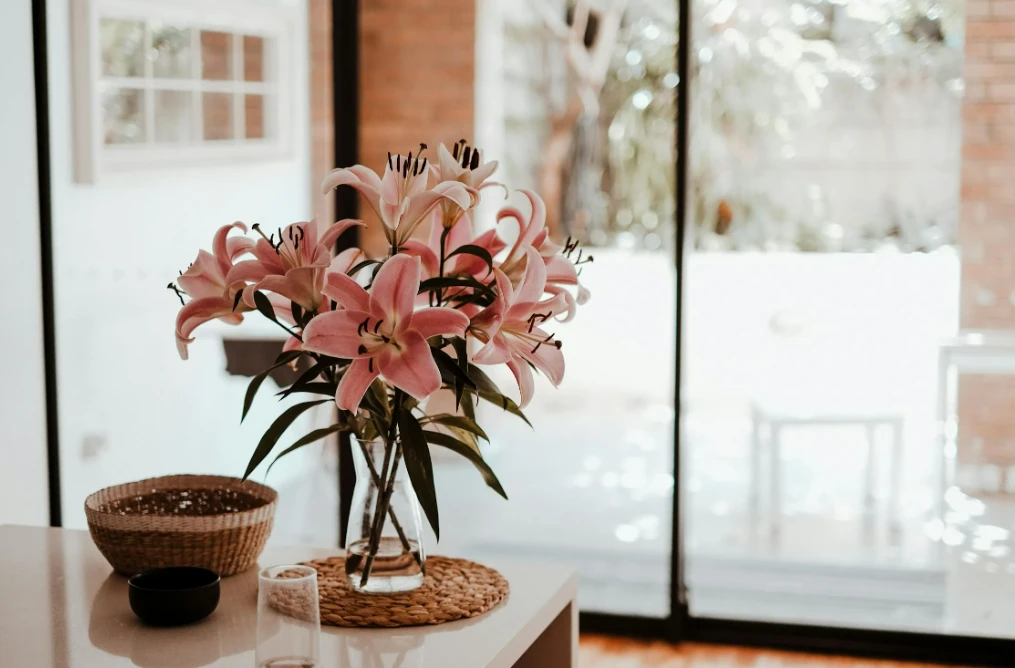
Your entryway is the first impression of your home. Flowers here welcome both you and your guests.
What works well:
- Tall arrangements on consoles or side tables.
- Seasonal flowers to reflect the time of year.
- Colors that connect with the rest of your home palette.
This is a great place for statement blooms like lilies, hydrangeas, or long-stem roses.
How to Choose the Right Vase
Flowers only look as good as the vase that holds them.
General rules:
- Tall flowers need tall, stable vases.
- Short or loose bouquets work best in wide, low containers.
- Clear glass suits modern spaces, while ceramic or stone works well in classic interiors.
- The vase should support the flowers, not compete with them.
Designers often say the vase is part of the decor, not just a holder.
Expert Insight from Professional Florists
Professional florists think about flowers as part of the space, not just as gifts. As experts from Ode à la Rose often explain, the most successful home arrangements are those that reflect the room’s style while using fresh, well-balanced blooms. This approach is especially helpful when people rely on services like flower delivery in NYC to keep their homes looking fresh with seasonal designs that suit city living.
The key is consistency. Choosing flowers that match your interior style makes them feel like a natural part of the home, not an afterthought.
Keep Flowers Looking Good Longer
Decor is only effective if it lasts.
Care tips that actually work:
- Change water every one to two days.
- Trim stems slightly each time you change water.
- Keep flowers away from direct sunlight and heat.
- Remove any wilting blooms to protect the rest.
Good care can extend the life of most arrangements by several days.
Use Seasonal Flowers for Better Results
Seasonal flowers are usually:
- Fresher
- More affordable
- Better suited to the time of year
For example:
- Spring: tulips, ranunculus, peonies
- Summer: sunflowers, dahlias, garden roses
- Fall: chrysanthemums, asters, warm-toned roses
- Winter: amaryllis, anemones, classic roses
Designing with the season keeps your decor feeling current and natural.
Final Thoughts
Home decor with flowers does not require complicated styling or big budgets. With a few thoughtful choices, the right flowers can bring warmth, color, and balance into every room of your home.
By treating flowers as part of your interior design, not just as occasional gifts, you can create spaces that feel more welcoming, personal, and alive all year round.


