

Many of us start gardening for the delight of cultivating our own produce. It feels old-timey, nurturing, and self-reliant. What’s more, rising food prices have made the self-sufficiency of gardening endearing.
If you have nourished a stunning garden in your home, you deserve the delights of harvesting. Stocking up fruit baskets with aromatic apples, distributing care packages of fresh vegetables to family and friends…it’s the good life. But what will you do with the produce you won’t be able to consume immediately?
Whether you are an amateur or a decorated gardener, preserving is a necessary skill. Let’s dig up details on canning, an old-time preservation technique that is enjoying a revival.
The Resurgence of Canning
At the heart of canning is the fundamental principle of preserving food in air-tight cans. It’s just like the name suggests. But the food you store must be heated to a specific temperature. This step kills microbes that can cause spoilage. If you do canning correctly, your fruits and veggies can last for over a year.
The method is ancient; history books suggest it dates back to 1809. Back then, people sealed food inside a jar and heated it. The heat was maintained for a period to decimate germs. You could bring the jars out when the extended family arrived for a Thanksgiving feast; otherwise, they remained sealed until use.
The COVID-19 pandemic exposed the pressing need to be independent and well-prepared. More people have embraced food preservation for fruits, vegetables, and meat. The Odessa American reports that the global food supply shortage has contributed to the resurgence of the popularity of canning.
Another perk of home-preserved foods is that they don’t have the additives you find in stores. You can buy in bulk, cutting grocery bills over time. That’s more disposable income for some impulsive shopping or investing back into your garden with new planters.
The Modern Approach to Canning
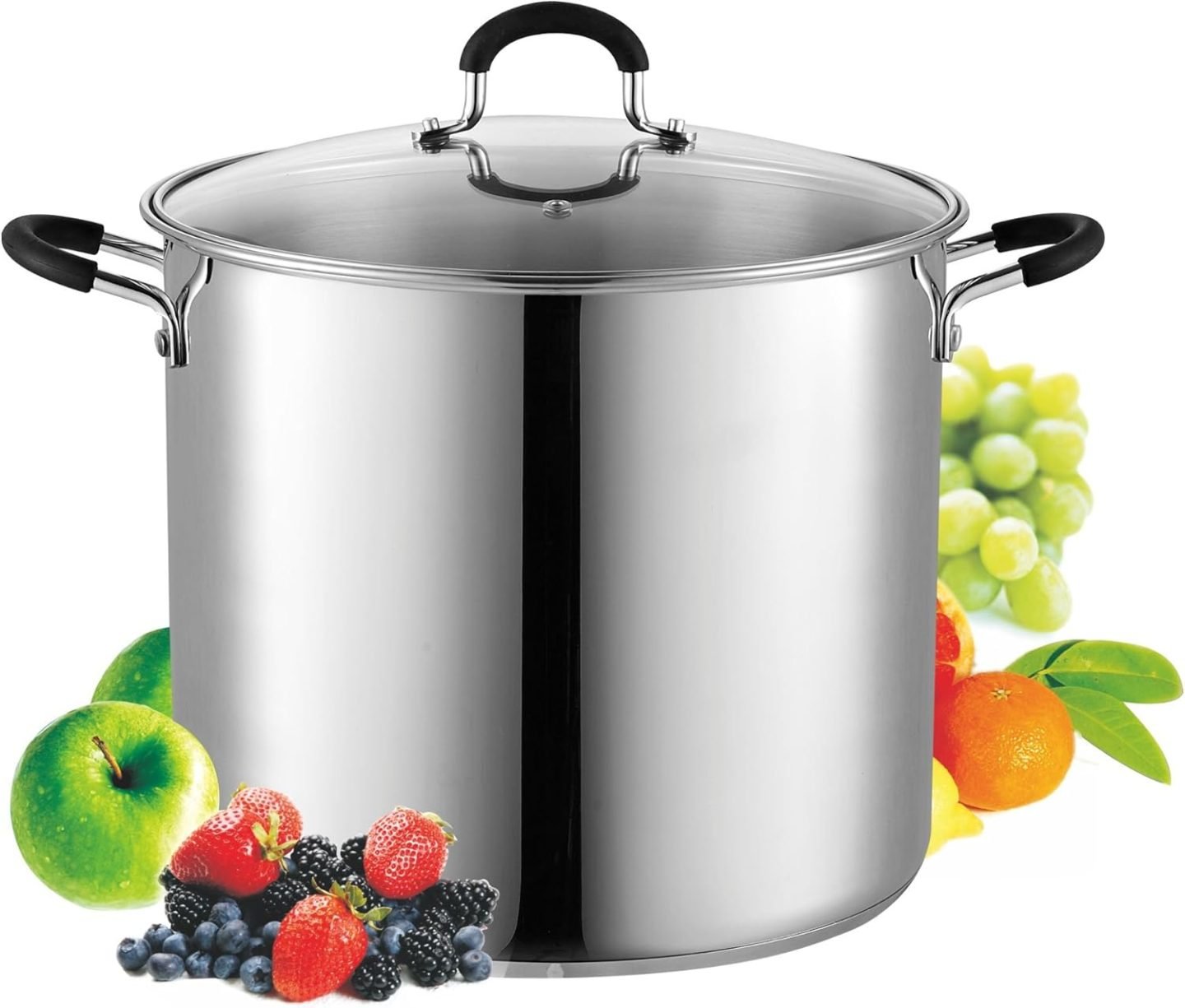
Canning used to be labor-intensive, with groups coming together in quite a communal affair. Technology has made the process simple and fast. Today, you can get a canning pot, which is a large lidded vessel, and a handful of jars, and voila. While shopping, also get lifters to take things into and out of a water bath.
The actual steps to canning aren’t too many. After harvesting, you need to store your produce in jars. Keep some headspace, preferably half an inch. Next, seal the jars tightly. Bands are helpful here, keeping the lids sturdy during the process. Finally, lower them in your canning pot and let them enjoy a piping hot water bath.
The amount of time you need to heat the food will vary. For example, tomatoes may be ready in 45 minutes. But meat can take as long as 90 minutes.
When your timer goes off, take the jars out – use the lifters! The lids will make a pinging sound, denoting that a vacuum seal is in place. Sometimes, you may struggle to get a proper seal. In that case, check if the jars were clean. Food particles at the rim can interfere with the process.
After the cans have cooled, you can store them in a dark place. You don’t need a cellar; a pantry or dry cupboard should be good enough.
Safety Concerns While Canning
Canning can be messy, but it is generally safe and rewarding. That said, you must be wary of a few safety concerns that can interfere with the longevity of your produce and cause personal injuries.
The current craze for canning has tempted some of us to explore substitutes for a canning pot. The large pot can be expensive and take up considerable space in a small kitchen. Some people use pressure cookers to replicate the steps for canning. However, this alternative is dicey.
The issue is that most instant pots and cookers don’t reach temperatures high enough to kill bacteria. Some modern models might have a canning button, but even that may not be safe. Any temperature fluctuations can increase the risk of foodborne illness.
Another problem with pressure cookers is the chance of injury from a faulty device. Your instant pot might explode if it has a manufacturer defect, like a malfunctioning gasket or release valve. It can cause a kitchen injury, the last thing you expect during food preservation.
But can a pressure cooker explode for real? It might seem an exaggeration, but steam buildup inside a cooker can cause an explosion once the lid opens. Besides manufacturing defects, trapped food particles can also be the culprit.
TorHoerman Law notes that such accidents have caused burns, lacerations, and, in some cases, electrocution. It is not a risk worth taking.
Some gardeners invest in a pressure canner with a gauge, which is also safe for pressure cooking. However, since it is bulky and heavy, you might consider purchasing it only if you are committed to the cause.
Other Ways to Preserve Your Produce
If canning doesn’t seem right for you, explore other techniques, like freezing and dehydrating. These methods don’t require additional equipment and can preserve the flavor of your food.
Another fabulous option is fermenting your vegetables and turning them into delicious pickles, kimchi, and sauerkraut. These foods are excellent for gut health and become tempting side dishes.
A basic fermentation kit comprises jars, sugar, and salt. Add muslin to the kit if you want to make kombucha. Who needs those pricey bottles of fermented tea from the supermarket anyway?
Final thoughts
If you are not preserving food due to a time shortage, just let everything rest naturally in a dark, cool place. It will last longer than if you kept it out on the countertop.
Since you work hard in your garden, the ability to enjoy your harvest for longer is a blessing. Preserving your garden bounty at home can make you feel confident that you are contributing to keeping your family healthy and well fed.
Preservation is also a wonderful lesson for children. Being self-sufficient and working hard to save for a rainy day is a life skill we all need.


