
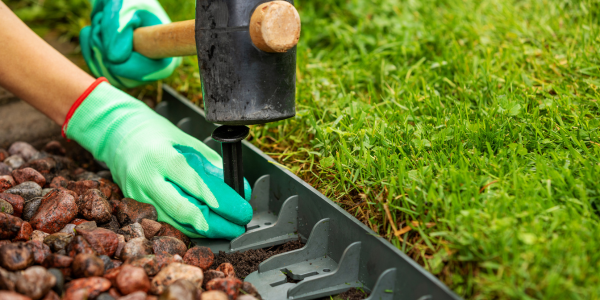
In the realm of landscaping and gardening, attention to detail can transform a mundane space into a visual masterpiece. One often-overlooked aspect that holds the potential to elevate the aesthetics of your garden is garden bed edging. In this comprehensive guide, we explore the significance of garden bed edging, the various materials and styles available, and how incorporating raised edging can add both form and function to your outdoor haven.
The Importance of Garden Bed Edging
Garden bed edging serves as the finishing touch that defines and separates different elements in your landscape. While its primary purpose is to create a neat and organized appearance, the benefits extend beyond aesthetics:
- Weed Control: Garden bed edging acts as a barrier, preventing grass and weeds from encroaching into your flower beds or vegetable gardens. This not only reduces the time spent on maintenance but also promotes the health of your plants by minimizing competition for nutrients.
- Soil Retention: Edging helps keep soil in place, preventing erosion and runoff. This is especially important in sloped or elevated areas where soil erosion can be a significant concern. Retained soil provides a stable and nurturing environment for your plants.
- Landscape Definition: Well-defined garden beds create a sense of order and organization in your outdoor space. Edging delineates the boundaries of different areas, giving your garden a polished and intentional look.
- Ease of Maintenance: Neatly edged garden beds are easier to mow around and trim. Edging reduces the likelihood of accidental damage to plants during maintenance activities, making it a practical choice for those seeking a low-maintenance landscape.
Materials for Garden Bed Edging
The choice of materials for garden bed edging plays a pivotal role in achieving the desired aesthetic and functionality. Several materials are popular for creating stylish and durable garden bed edges:
- Metal Edging: Metal edging, such as steel or aluminum, is a versatile and long-lasting option. It offers a sleek and modern look and can be easily shaped to create curves or straight lines. Metal garden bed edging is particularly suitable for contemporary or formal garden designs.
- Wood Edging: Wood is a classic choice for garden bed edging, providing a natural and rustic appearance. Cedar and redwood are popular choices due to their resistance to decay and insects. Wooden edging can be easily installed and stained or painted to complement your garden’s overall theme.
- Brick or Stone Edging: Bricks or stones add a timeless and elegant touch to garden beds. They can be arranged in various patterns, offering a high degree of customization. Brick or stone garden bed edging is durable, and its earthy tones seamlessly blend with the natural elements of your garden.
- Concrete Edging: Concrete edging is a robust and versatile option, offering a clean and contemporary look. It can be poured or precast into various shapes and sizes, allowing for creativity in design. Concrete edging is durable and requires minimal maintenance.
- Plastic or Rubber Edging: Plastic or rubber edging provides a cost-effective and flexible solution. It is easy to install and comes in various styles, including roll-style edging and molded decorative options. Plastic or rubber edging is lightweight and suitable for curved garden beds.

Exploring Raised Edging for Added Dimension
While traditional ground-level edging is effective, raised edging takes garden aesthetics to a new level. Raised garden bed edging involves elevating the border above ground level, creating a distinct visual impact. Here’s how raised edging can enhance your garden:
- Visual Interest: Raised edging adds depth and dimension to your garden, creating a visually interesting landscape. The elevated border serves as a focal point, drawing attention to the plants and features within the raised bed.
- Accessibility: Raised garden beds are easier to access, making them an ideal choice for those with mobility issues. The elevated height reduces the need for bending or kneeling, providing a more comfortable gardening experience.
- Improved Drainage: Raised garden beds often have better drainage than ground-level beds. The elevated design allows excess water to drain more efficiently, preventing waterlogging and providing an optimal environment for plant roots.
- Warmer Soil: Raised beds tend to warm up faster in the spring, extending the growing season for certain plants. The elevated soil warms more quickly in the sun, promoting earlier germination and healthier plant growth.
- Customization and Design Flexibility: Raised edging offers a range of design possibilities. You can experiment with various materials, shapes, and heights to create a unique and personalized look for your garden. Whether you prefer a tiered effect or a sleek modern design, raised edging allows for creative expression.

Incorporating Raised Edging into Your Garden
Incorporating raised edging into your garden is a creative and functional way to enhance its overall appeal. Raised edging not only adds visual interest but also provides practical benefits such as improved drainage, better accessibility, and the opportunity for unique design expressions. Here’s a step-by-step guide on how to successfully incorporate raised edging into your garden:
- Define Your Garden’s Aesthetic: Before diving into the practical aspects, take a moment to define the overall aesthetic you want for your garden. Consider the existing landscape, your personal style preferences, and whether you want a formal, contemporary, or rustic look. This vision will guide your choices throughout the process.
- Select Suitable Materials: Choose materials that align with your design vision and meet the practical requirements of raised edging. Materials like wood, metal, stone, or concrete offer diverse aesthetic possibilities. Consider factors such as durability, maintenance, and how well the material complements your existing garden elements.
- Plan the Layout of Raised Beds: Carefully plan the layout of your raised beds, taking into account sunlight exposure, water drainage, and the types of plants you wish to cultivate. Consider creating pathways between raised beds to facilitate easy access and maintenance.
- Prepare the Site: Clear the designated area for your raised beds, removing any existing vegetation or debris. Level the surface to ensure a stable foundation for the raised beds. If needed, lay down a weed barrier fabric to prevent unwanted growth and maintain a tidy appearance.
- Choose the Right Height: The height of your raised beds is a crucial consideration. While the primary purpose is to elevate the soil, consider a height that provides ease of access for planting, weeding, and harvesting. The height can vary based on personal preference and the specific needs of the plants you intend to grow.
- Install the Raised Edging: Depending on your chosen material, follow the manufacturer’s guidelines for installing the raised edging. This may involve assembling pre-made raised beds, stacking stones or bricks, or constructing custom wooden frames. Ensure proper alignment and stability during installation.
- Fill with Quality Soil: Fill the raised beds with high-quality soil, enriched with compost or organic matter. Consider the specific requirements of the plants you plan to grow and choose soil accordingly. The elevated design of raised beds allows for better soil aeration and drainage.
- Planting and Mulching: Once the raised beds are filled with soil, proceed to plant your chosen vegetation. Arrange plants based on their sunlight and water requirements. After planting, apply a layer of mulch on the soil surface to retain moisture, suppress weed growth, and provide a finished look.
- Consider Companion Planting: Take advantage of the raised bed layout to explore companion planting. Certain plants thrive when grown together due to mutually beneficial relationships, such as pest control or nutrient sharing. Research companion planting strategies to maximize the health and productivity of your garden.
- Add Personal Touches: Enhance the visual appeal of your raised beds by adding personal touches. Consider decorative elements, such as garden art, colorful plant markers, or trellises for climbing plants. These details can add character and make your raised beds a unique focal point in your garden.
- Implement Irrigation Systems: To ensure optimal water distribution, consider implementing irrigation systems for your raised beds. Drip irrigation or soaker hoses can efficiently deliver water to the root zones, promoting healthy plant growth and minimizing water wastage.
- Regular Maintenance: Keep your raised beds well-maintained by regularly checking for weeds, pests, and diseases. Prune and deadhead plants as needed, and replenish mulch to retain moisture. The elevated design makes it easier to spot and address issues promptly.
- Adapt and Experiment: Gardens are dynamic, ever-changing spaces. Be open to adapting and experimenting with your raised bed layout and plant choices. Over time, you may discover new combinations or techniques that further enhance the beauty and productivity of your garden.
Conclusion: Transforming Your Garden with Raised Edging
Garden bed edging is more than a functional necessity; it’s a design element that can transform your outdoor space into a harmonious and visually stunning retreat. Whether you opt for traditional ground-level edging or explore the elevated dimensions of raised edging, the key is to align the design with your vision and the unique characteristics of your garden.
Final Thoughts
As you embark on this journey of garden transformation, remember that raised edging is not just about elevating the borders; it’s about elevating the overall beauty and allure of your outdoor sanctuary. Experiment with materials, embrace creativity and let the art of garden bed edging redefine your landscape into a captivating haven of natural beauty.


