
 Photo
A flourishing garden is a source of joy, but the presence of rodents can quickly turn this haven into a battleground. Protecting your garden from these unwelcome visitors is not only crucial for the well-being of your plants but also for maintaining a safe and clean outdoor space.
In this guide, we’ll explore seven safe and effective ways to rodent-proof your garden, allowing you to enjoy the beauty of nature without compromising the health of your plants.

1. Natural Repellents:
Harness the power of nature to deter rodents from invading your garden. Planting natural repellents such as mint, lavender, and daffodils can create an environment that rodents find unappealing. Rodents often avoid strong-smelling plants, making them an excellent and chemical-free deterrent. Additionally, consider placing garlic cloves or onion slices strategically around the garden, as the pungent odor can act as a natural repellent. Regularly replenish these natural deterrents to ensure their potency and effectiveness in discouraging rodents from making your garden their home.
2. Secure Compost Bins:
Compost bins are a haven for rodents seeking food scraps. To prevent them from turning your compost into a buffet, ensure your compost bin is secure and rodent-resistant. Use a bin with a tight-fitting lid, and avoid composting meat or dairy products, which can attract rodents. Regularly turn the compost to promote decomposition and discourage rodents from nesting. Consider placing a layer of coarse material like twigs or straw at the bottom of the bin to enhance aeration and reduce the appeal of the compost as a nesting site.

3. Elevated Planters:
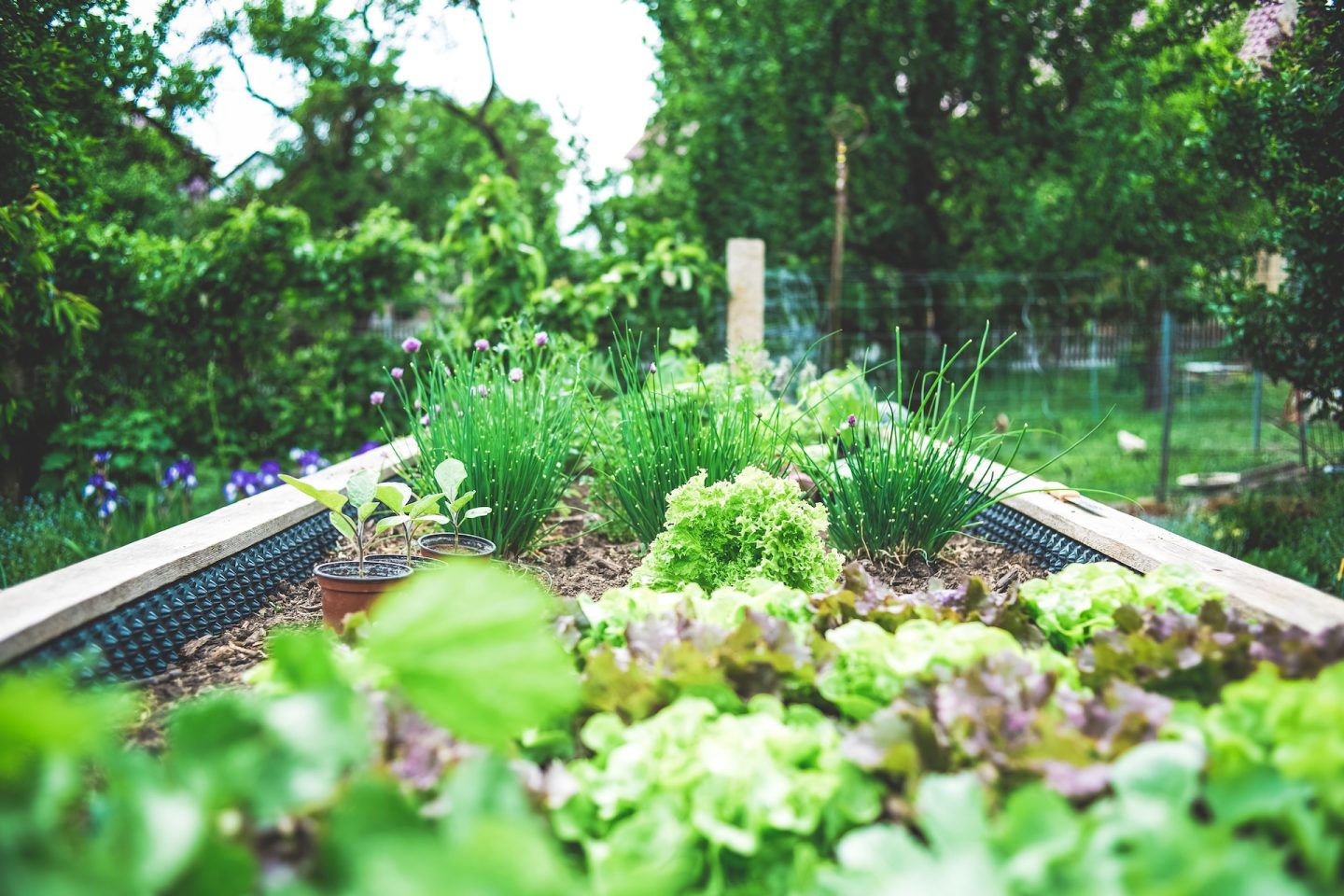
Consider using elevated planters for your garden beds. Raised beds or planters on legs create a physical barrier that makes it more challenging for rodents to access your plants. This method not only protects your plants but also adds an aesthetic element to your garden. Opt for planters made of materials that rodents cannot easily chew through, such as metal or treated wood. Regularly inspect the planter legs for signs of wear or damage, ensuring that the elevated structure remains an effective barrier against ground-dwelling rodents.
4. Professional Rodent Control Service:
For persistent rodent issues or if you prefer a comprehensive solution, consider contacting Bay Area Rodent Solutions. Experienced pest control professionals at Bay Area Rodent Solution can conduct a thorough assessment of your garden, implement targeted treatments, and provide ongoing guidance to ensure a rodent-free environment. Their expertise and tailored solutions can offer peace of mind, allowing you to enjoy your garden without the worry of unwelcome rodent guests. Professional services may include regular monitoring to catch and address potential issues before they escalate, making it a proactive and effective approach to long-term rodent control.
5. Install Rodent-Proof Fencing:
Create a protective barrier around your garden by installing rodent-proof fencing. Use materials like hardware cloth or chicken wire with small mesh sizes to prevent rodents from squeezing through. Bury the fencing at least a few inches below ground to deter burrowing pests. Regularly inspect and repair any damage to the fencing to maintain its effectiveness. Consider adding an outward-facing overhang to the top of the fence to discourage climbing attempts by agile rodents. A well-maintained and properly installed fence serves as a reliable defense against a variety of garden-invading pests.
6. Remove Hiding Places:
Rodents thrive in areas with plenty of hiding spots. Keep your garden tidy by removing debris, overgrown vegetation, and clutter. Trim bushes and shrubs to eliminate potential hiding places for rodents. By reducing the available hiding spots, you make your garden less attractive to these pests. Regular maintenance is key to creating an environment that is less conducive to rodent habitation. Additionally, periodically inspect storage sheds or structures near the garden for signs of rodent activity and address any vulnerabilities that could serve as hiding spots.
7. Safe Traps and Barriers:
If you need to take a more direct approach, consider using safe traps and barriers. Live traps that capture rodents without harming them are available and can be relocated away from your garden. Additionally, placing physical barriers like mesh or row covers over vulnerable plants can prevent rodents from accessing them while still allowing sunlight and rain to nourish your garden. Regularly inspect and reset traps as needed, and monitor the effectiveness of barriers to ensure they remain intact and functional. Safe and humane trapping methods contribute to the overall well-being of your garden and the surrounding environment.
Conclusion
Rodent-proofing your garden is a proactive and essential step to ensure the longevity of your plants and the overall serenity of your outdoor space. By implementing these seven safe methods, you create an environment that is less attractive to rodents, preserving the beauty of your garden while maintaining a harmonious balance with nature. Regular vigilance, coupled with these preventative measures, will contribute to a thriving garden where both flora and fauna coexist peacefully.


