
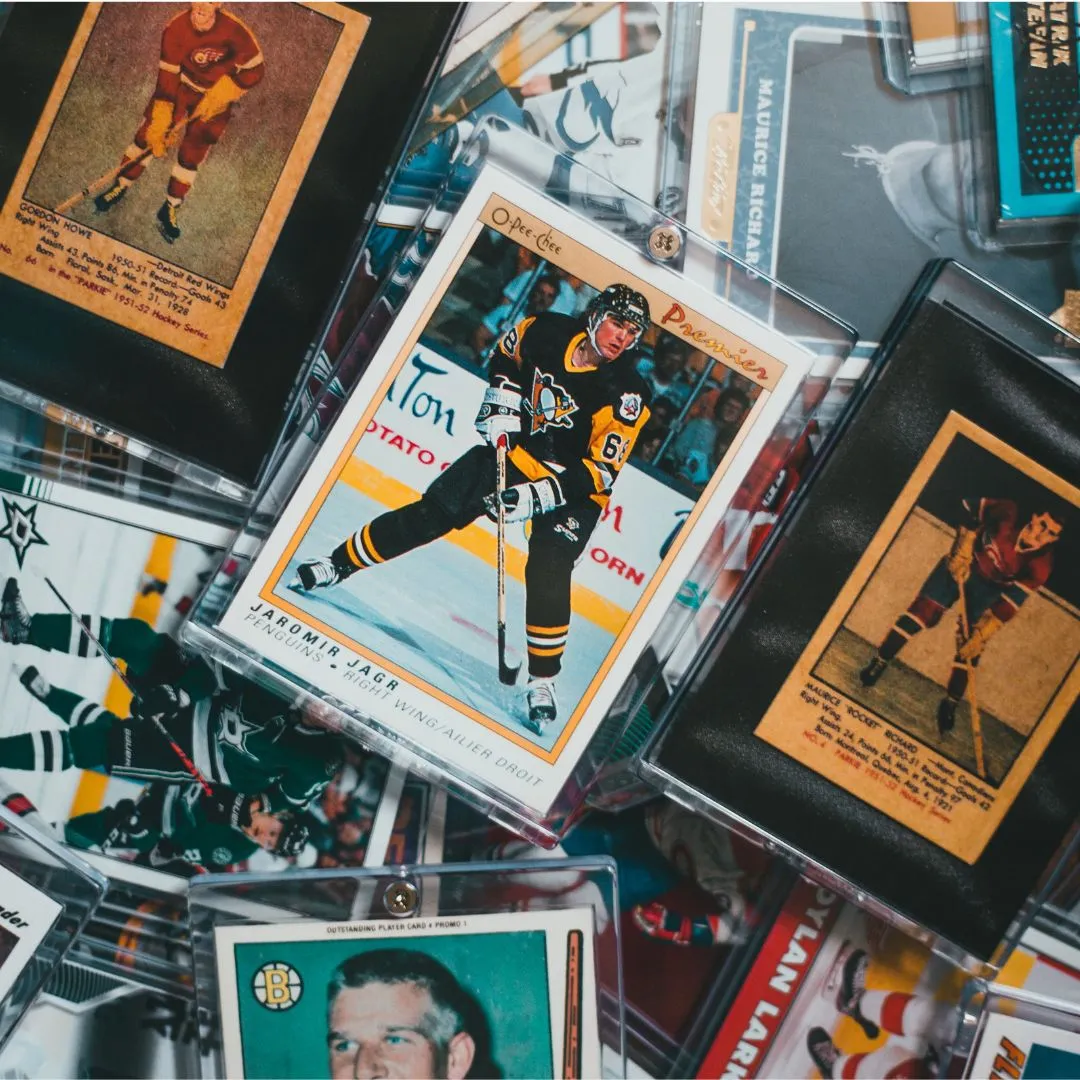
Collecting is a personal hobby, yet the market value of items often follows patterns that go beyond sentiment. Whether someone collects toys, sports memorabilia, art pieces, or vintage household goods, certain factors influence how much an item is worth. Knowing these factors helps collectors make informed decisions and appreciate what makes their finds special.
Rarity and Limited Availability
Rarity remains one of the strongest drivers of value. Items produced in small quantities or those that survived only in limited numbers typically attract more interest. When collectors realize an item is hard to find, demand grows quickly. Even mass-produced objects can become rare if many have been lost, damaged, or discarded.
Limited edition releases or discontinued products also rise in value because supply no longer meets ongoing interest. Rarity alone does not guarantee worth, but it often acts as the foundation for value.
Condition and Authenticity
A collectible’s condition can make the difference between a modest price and a significant investment. Scratches, fading, missing parts, or repairs can reduce interest, while items in original packaging or pristine shape appeal to dedicated collectors. Authenticity is equally important. Items with documentation or verified origins provide confidence for buyers.
Sports memorabilia, signed artwork, and celebrity items often require additional verification. Reputable sources such as an autograph store help collectors confirm authenticity.
Cultural Significance and Demand
Collectibles become valuable when they hold cultural meaning. A movie prop from a beloved film, a toy linked to a childhood era, or a vintage kitchen tool from a well-known brand can spark emotional connection. When nostalgia meets demand, prices rise.
Understanding what drives value allows collectors to enjoy their hobby while making informed decisions. Some collectibles appreciate quickly, while others grow slowly in worth, but knowing these key factors brings meaning to every find. For more information, look over the infographic below.


