
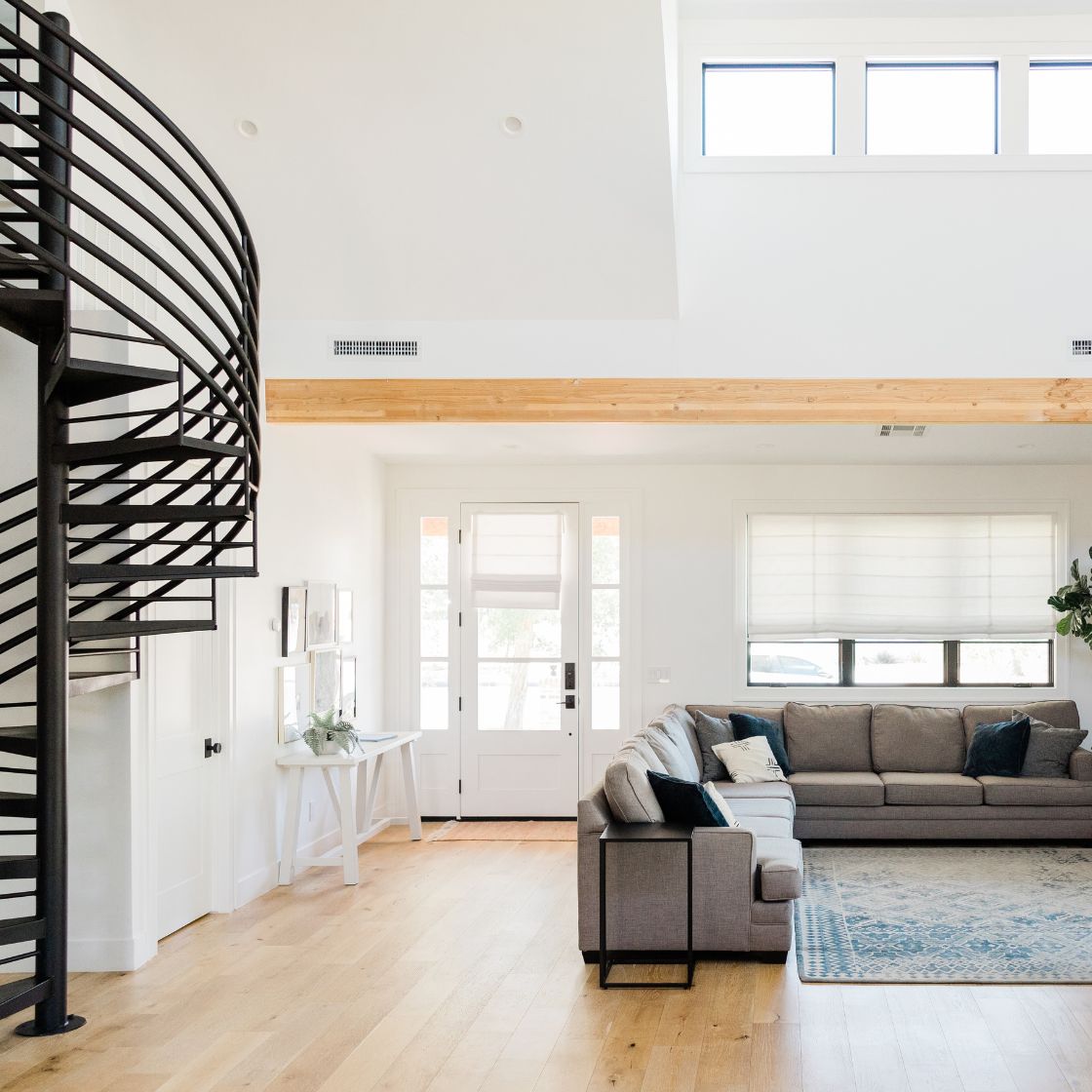
According to Naturwood, a luxury furniture store, investing in quality, long-lasting furniture is not just about aesthetics – it’s about making smart choices that benefit both your home and the environment. Here’s a comprehensive guide to help you select and design your space with furniture that stands the test of time.
Choose Solid Wood Over Engineered Materials
When it comes to durability, solid wood furniture remains unmatched. While engineered wood products like MDF and particleboard may be budget-friendly initially, they often begin showing wear within a few years. Solid hardwoods like oak, maple, and walnut can last for generations when properly maintained. They also age beautifully, developing a rich patina that adds character to your space. While the upfront cost may be higher, the longevity of solid wood pieces makes them more economical in the long run.
Pay Attention to Joinery
The way a piece of furniture is constructed tells you everything about its potential lifespan. Look for traditional joinery methods like dovetail joints in drawers, mortise-and-tenon connections, and corner blocks in upholstered pieces. These construction techniques have been used for centuries because they create sturdy, lasting connections that can withstand daily use. Avoid furniture held together primarily with staples, glue, or plastic connectors, as these are often the first points of failure.
Invest in Quality Upholstery
When selecting upholstered furniture like sofas and chairs, what’s inside matters as much as what’s on the surface. High-quality pieces feature eight-way hand-tied springs, hardwood frames, and high-density foam cushions. The fabric choice is equally important – look for materials with high rub counts (15,000 or higher) and consider performance fabrics that resist stains and fading. Fibers like wool and cotton blends often wear better than synthetic alternatives and maintain their appearance longer.

Consider Versatile Designs
Long-lasting furniture should be both physically durable and stylistically enduring. Choose classic silhouettes that transcend trends and can adapt to evolving design preferences. Simple, well-proportioned pieces in neutral colors or timeless patterns will serve you better than heavily stylized options that may feel dated within a few years. This approach allows you to update your space through accessories and accent pieces while maintaining a solid foundation of quality furniture.
Plan for Proper Care and Maintenance
Even the highest quality furniture requires appropriate care to reach its full lifespan potential. Before purchasing, understand the maintenance requirements for different materials. Solid wood needs periodic polishing and protection from direct sunlight, leather requires regular conditioning, and upholstery benefits from professional cleaning. Factor these maintenance needs into your purchase decisions and create a care schedule to protect your investment.
Focus on Multi-Functional Pieces
Furniture that serves multiple purposes not only maximizes your space but often receives more consistent use and care. Consider pieces like expandable dining tables, storage ottomans, or modular seating systems that can adapt to different needs. These versatile items tend to justify their higher initial cost through increased utility and longevity. Additionally, multi-functional pieces often receive more attention and maintenance, as they become essential parts of daily life rather than rarely-used showpieces.
By following these guidelines, you can create a home filled with furniture that not only looks beautiful but also provides lasting value. Quality furniture becomes an investment in your daily comfort and contributes to a more sustainable approach to home design. As Natur Wood emphasizes, choosing well-made pieces may require more initial research and investment, but the long-term benefits – both aesthetic and practical – make it a worthwhile endeavor.
Remember that truly lasting furniture becomes part of your home’s story, developing character through years of use while maintaining its functionality. By carefully selecting pieces that meet these criteria, you’re not just furnishing a space – you’re creating a legacy of quality that can be enjoyed for years to come.
Understanding the environmental impact of your furniture choices adds another compelling reason to invest in long-lasting pieces. Fast furniture – cheaply made items designed for temporary use – has become a significant contributor to landfill waste. Choosing quality pieces that last for decades instead of years can significantly reduce your carbon footprint. When you select furniture built to last, you’re not just making a practical choice for your home; you’re making an environmentally conscious decision that helps reduce waste and resource consumption.

Quality Furniture
The relationship between quality furniture and home value is also worth considering. Well-maintained, high-end furniture pieces can contribute to your home’s overall appeal and potentially its resale value. Many real estate professionals note that homes staged with quality furniture tend to sell faster and at better prices than those with lower-quality pieces. While furniture typically isn’t included in home sales, the impression of quality and sophistication that well-made pieces create can influence potential buyers’ overall perception of the property.
Additionally, consider the emotional value of long-lasting furniture. These pieces often become family heirlooms, carrying stories and memories through generations. Unlike disposable furniture that gets replaced every few years, quality pieces can become meaningful connections to your family’s history. They serve as tangible links to special moments and can be passed down as valuable inheritances, both in terms of monetary and sentimental worth.
Conclusion
The key is to view your furniture not as temporary solutions but as long-term investments in your home’s comfort, style, and sustainability. By choosing pieces that are built to last, you’re creating a living space that will remain beautiful and functional for years to come while contributing to a more sustainable and thoughtful approach to home design.


