
Pests can be a nuisance, but there are ways to deal with them without resorting to DIY solutions. Although there are some very effective and safe do-it-yourself pest control methods out there, they don’t always provide the best solution. Here’s why you should leave the bug and rodent extermination up to the pros:
DIY methods won’t get rid of the root cause of your pest problem.
If you’re going to do it yourself, make sure that you know exactly what kind of pest is causing the problem. Some DIY methods are ineffective against certain insects and can even make them stronger or more aggressive. For example, if you spray an insecticide in your home without knowing what kind of bug is causing the problem, it could end up being harmful for pets and children who come into contact with it–or even hurtful if eaten by animals like cats or dogs (or even household pets).
If you’re not sure how to identify different types of pests and which ones are poisonous or dangerous, consult a professional exterminator first before attempting any DIY pest control yourself!
You might not know what you’re dealing with.
- You might not know what you’re dealing with.
- Knowing the type of pest is important to know how to get rid of it and whether or not the DIY approach is the best option.
- Some pests can be treated with chemicals, while others need a different approach.
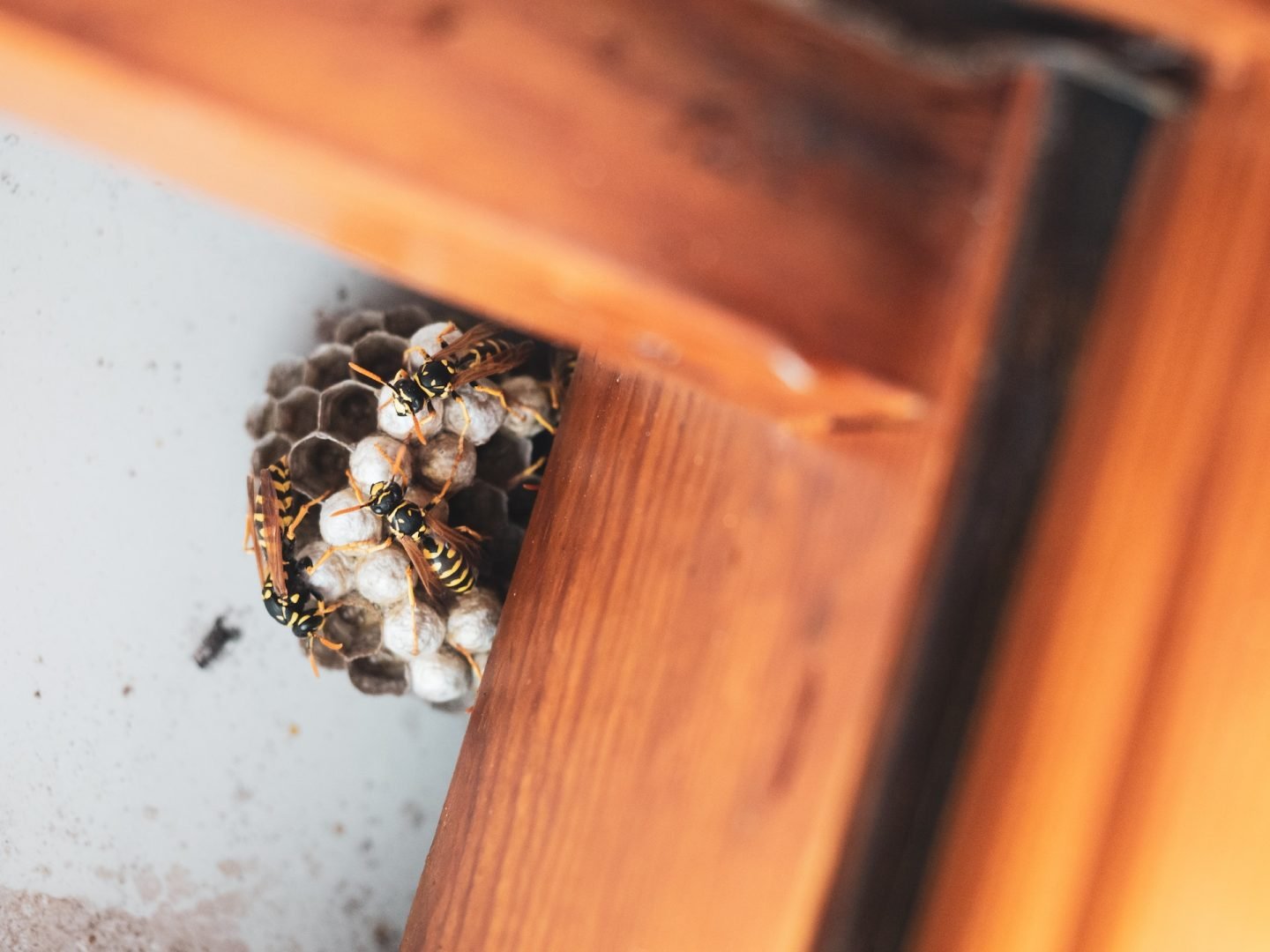
You might get bitten or stung by a poisonous insect while trying to eradicate them yourself.
One of the most common reasons people choose to do their own pest control is because they don’t want to pay an exterminator. But if you’re allergic to bee stings, or if you get stung by a poisonous insect while trying to eradicate them yourself, then it can be an expensive mistake. If you’re not careful with how you handle these types of pests, it could end up costing you much more than what an exterminator would charge in the long run–and that’s not even taking into account how much time and effort goes into doing DIY pest control as well!
So what should you do? First off: if possible avoid getting stung in the first place! Wear protective clothing when working outdoors; wear gloves when handling items around the house (like trash cans). If this isn’t possible then make sure someone else knows where they can find epinephrine injection kits in case of emergency–and keep those kits close by at all times!
Some DIY methods can be harmful to pets and children.
Some DIY methods can be harmful to pets and children. Pets like to eat bugs, which is fine if you’re dealing with a spider or mosquito. But what about the time you sprayed your yard for ants with an insecticide? Your dog could have been outside and licked up some of that spray, potentially poisoning him or her. Children may also come into contact with pesticides meant for adult-sized pests when they are outside playing in the yard–or even worse, if one gets into their mouth!
You may not know what pesticides are toxic and which ones are safe for your family and pets.
Pesticides are toxic to people and animals, so it’s important to understand the risks involved with using them. Different pesticides have different levels of toxicity, but even those marked “safe for pets” or “harmless to humans” can still cause harm in large doses.
If you’re unsure about whether a pesticide is safe for your family or pets–or if you simply don’t want to use one at all–there are other options available besides DIY pest control methods like boric acid pellets or cayenne pepper shakers.
Professional pest control services are always the best solution for your home’s pest problem
The truth is, professional pest control services are always the best solution for your home’s pest problem.
Pest control companies have the expertise and experience necessary to get rid of your pest problem quickly, safely, and effectively. They know what pesticides work best in different situations and how to use them safely so that they don’t pose a risk to people or pets in your home. They can also help you find out what caused the problem in the first place so that it doesn’t happen again later on down the line; this is especially important when dealing with termites or other wood-eating insects like carpenter ants or carpenter bees (which tend not only damage wood but also cause structural damage).
Conclusion
The bottom line is that DIY pest control is not always the best option. If you’re dealing with a serious problem, it can be worth calling in an expert to help you out. They have all the tools and know-how necessary to solve your problem in no time at all!


