
 Photo
If you recently moved into a new home, you may still be checking things around the property to ensure they are fully functional. While appliances and other fixtures may feature prominently on your checking list, one thing to be mindful of is the water quality in the home. Available data indicates that the US has access to constant potable water. However, the EPA continues to be concerned about the 70,000 US water bodies with the potential to cause health hazards. If you are unsure about your household’s water quality, the following tips may give clues.
Color
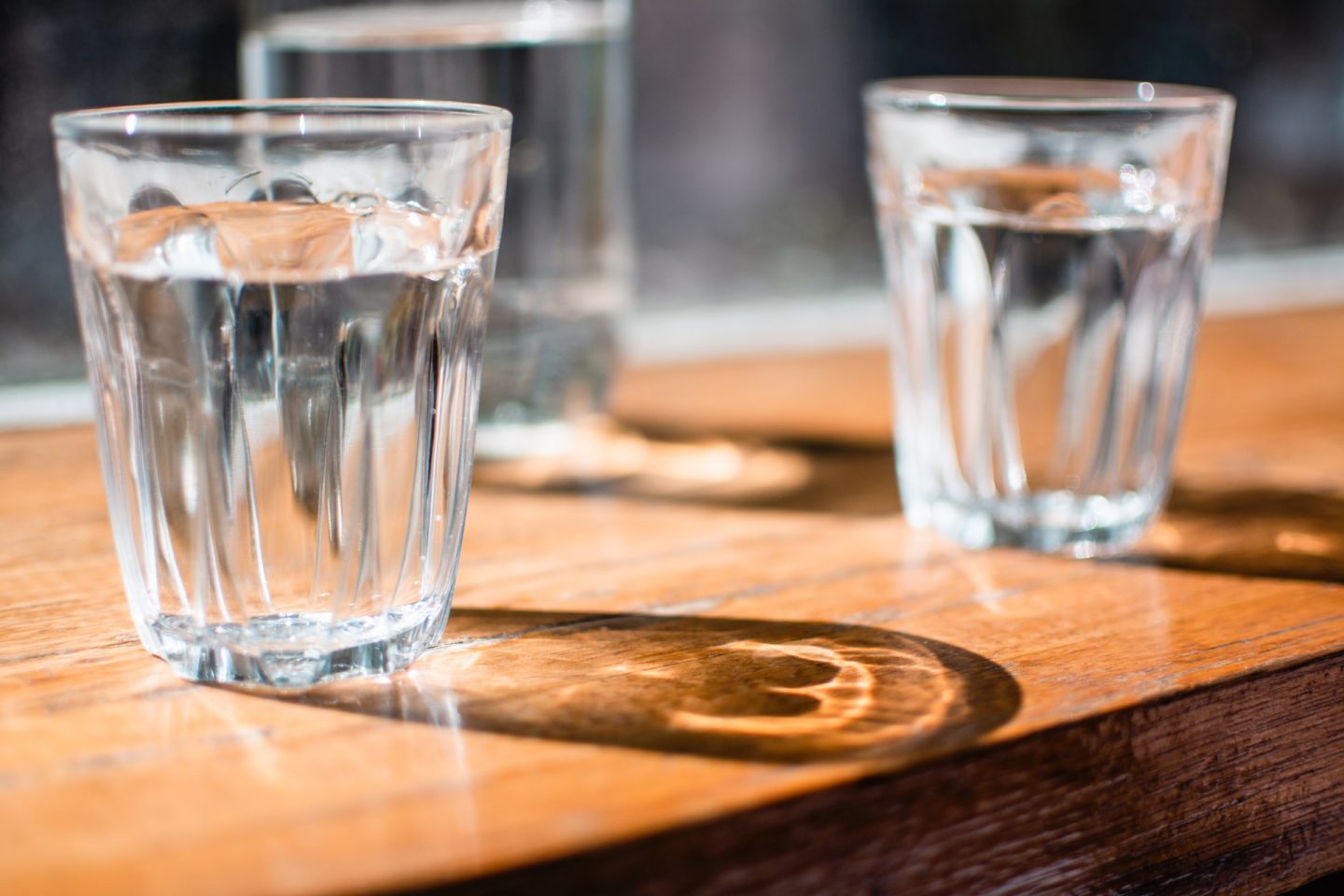
Ideally, potable water running through your taps should be transparent, colorless, and devoid of particles. Usually, when the pressure from your household tap is high, water may take on a slightly foamy appearance until it settles. However, about 20 seconds to a minute after fetching water into a glass, it takes on a transparent color with no deposits. If, after several minutes, your water continues to look frothy and visibly white, you may need to avoid drinking it until you are in the clear.
Secondly, when your household water takes on a brown or reddish appearance, it could be the presence of excess manganese. In more worrying instances, it might be an indication of rust within your pipelines. Because this is a specialized area, you may need to contact experienced and licensed plumbers to handle the job. All that may be required is changing rusty lines. In which case, you may want to rely on a company like Mark’s Plumbing Parts for component replacements.

Odor and taste
Potable water is scentless. Clean drinking water is expected to be devoid of any taste when ingested. However, if you notice anything to the contrary, it may be an excellent time to get your household water quality checked or rechecked. According to plumbing experts and treatment authorities, when you perceive sulfur or rotten egg odor in your tap water, you need to avoid it.
This pungent smell could be a result of bacteria growth in your water. The cause might be from the local water treatment plant or directly from your household taps. Usually, when the house is old, the likelihood of this happening increases dramatically. Even though a news report by independent.co.uk claims that tap water has a slightly sour taste when not refrigerated, the masses believe otherwise. Therefore, if you want to be sure about your water quality, anything different from tasteless may be cause for concern.
Professional lab tests

While some households may opt for this as the last strategy, others prefer to make it the first on the list. Getting professional lab tests conducted on your household water can be a sure way to determine its quality. Ideally, water pH is pegged at 7. However, pH ranging between 6.5 and 7.5 may be acceptable in certain jurisdictions. Indeed, a professional lab testing service is advisable, but you can purchase approved testing kits to check your water quality at home.


