

Think that there may be a leak in your home? Leaks can cause serious damage to the structure of your home if not taken care of. Whilst the source of these leaks can sometimes be obvious, others can require a bit more detective work. If you suspect there’s a leak in your home and can’t pinpoint where it’s coming from, here are a few steps that you can take to try and locate it.
Follow the sounds
Determining whether your leak is a plumbing leak or an external leak is the first important task. The sound of dripping or running water can usually help you to determine what kind of leak you’re dealing with. If it seems to happen after it’s been raining, then it’s likely not a plumbing leak. If it seems to happen after flushing the toilet or using a certain sink faucet or draining the bath, then it’s an internal plumbing leak that you can pinpoint to a certain fixture.
 Check your water meter
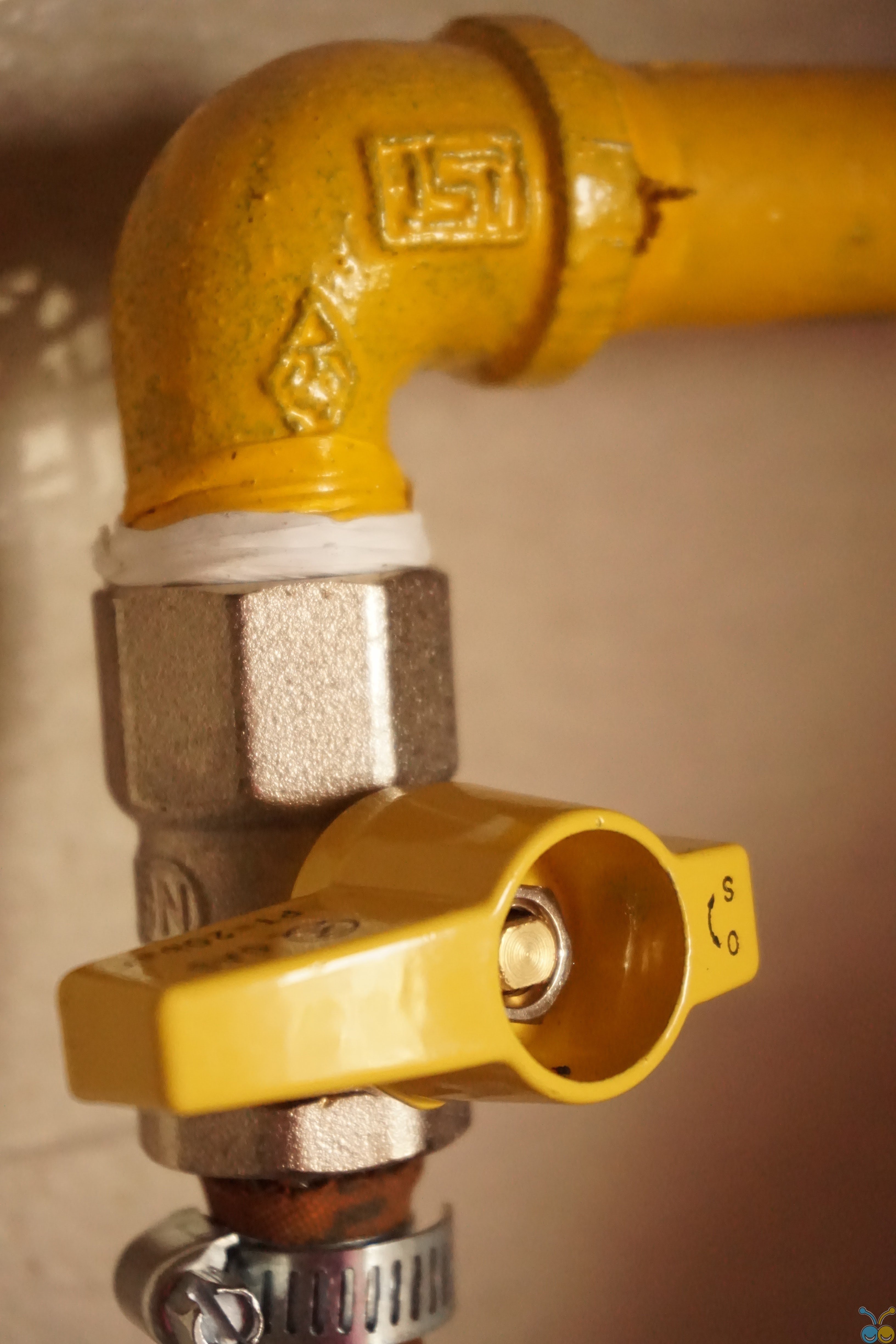
You can also use your water meter to tell if you have a plumbing leak. Start by turning off the water in your home, shutting off all faucets and ensuring that no water-consuming appliance (i.e. washing machines and dishwashers) are in use. Then watch the meter to check if there are any changes. If it begins changing immediately, you likely have a very fast leak. If it changes after a couple of hours, then you may have a slow leak. From here you can then try to isolate the link.

Trace the damp patches
Damp patches can be used to try to locate the exact location of the source. If there are damp spots on your ceiling, the leak is likely to be from a pipe directly above. If you’ve got damp spots appearing on the floor, you may need to consider making slab leak repairs in your home. Watch out for damp spots on the floor near fixtures such as washing machines and toilets as a damaged seal could be to blame. As for damp spots on walls, consider what may be on the other side – leaky showers will often create damp patches that may appear on the opposite side of the wall.
Spray a hose on the roof
When it comes to rainwater leaks, these are often the result of a damaged roof and may require roof repair. The exact entry point of the rainwater may not match the exit point on the inside ceiling of your roof, in which case you may need to climb up onto your roof and run a hose over whilst somebody else is inside your home with a walkie talkie. When you hose the entry point, water will dip through to the other side allowing you to find the exact source of the leak. This could be hazardous job and is not recommended for all properties.

Know when to hire professional help
If you still can’t find the source of the leak, it could be time to hire professional help. Whether you hire a plumber of a leak specialist, being able to tell them some information as to where you think it’s coming from could help to lower the cost. Such professionals are recommended when dealing with leak deep within walls or leaks underground.
I hope this has helped you to know when you should be checking for leaks and to just be aware if you hear water sounds or see ceiling, wall or floor damage, you can start by checking a few things yourself.
Thanks for stopping by and we will see you soon!


